
Lepidagathis fasciculata
Lepidagathis fasciculata
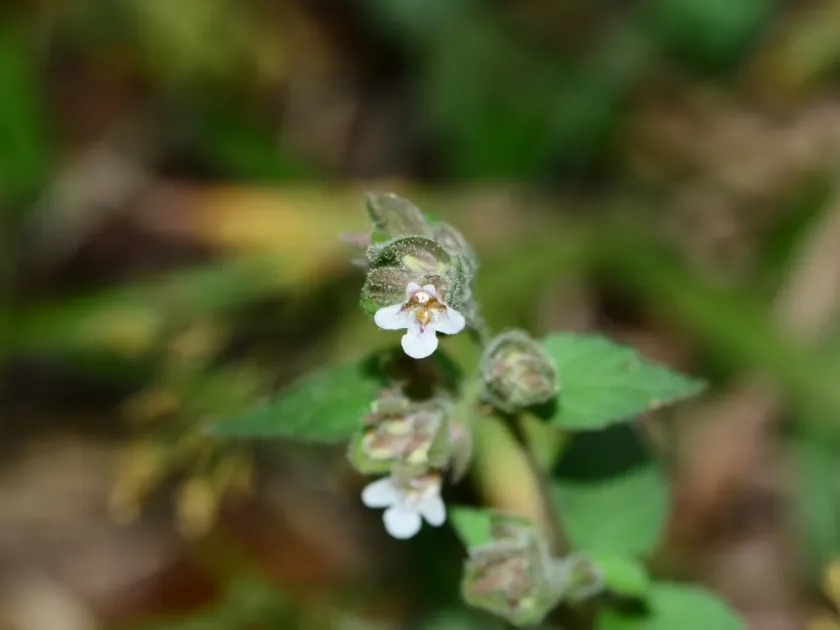
Description
Growing requirements
Lepidagathis fasciculata is a herbaceous perennial belonging to the Acanthaceae family, native to the tropical forests of South and Southeast Asia. The plant is botanically recognized by its clustered stem arrangement and specific inflorescence patterns that differentiate it from other members of the genus.
The optimal climate for this crop is characterized by high humidity and consistent tropical temperatures ranging from 22°C to 30°C. It thrives in environments where rainfall is frequent and air moisture levels remain elevated throughout the growing season, mimicking the humid understory of native forests.
Regarding soil requirements, Lepidagathis fasciculata performs best in well-draining, nutrient-rich soils with high organic matter content. The root system is sensitive to waterlogging, necessitating a substrate that maintains moisture without allowing for oxygen deficiency in the rhizosphere.
Light management is a critical factor for successful production, as the species is adapted to partial shade. Excessive exposure to direct solar radiation can damage the foliage and inhibit the plant's ability to produce robust, clustered growth, which is its primary morphological feature.
Agricultural interest in this plant is primarily driven by its potential applications in traditional medicine and its unique role in biodiversity conservation. While not currently a mass-market commodity, research into its growth cycles suggests it could be viable for specialized cultivation in controlled greenhouse environments.