
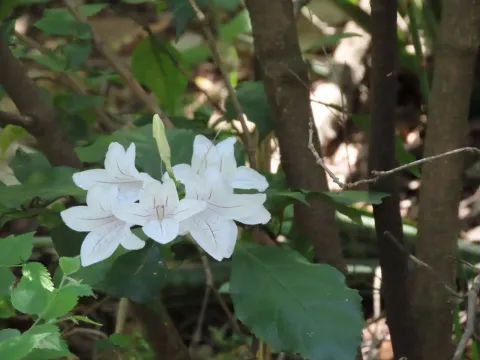
Mackaya
Mackaya
The genus Mackaya belongs to the Acanthaceae family and is known for its elegant, bell-shaped flowers. Native to the forested areas of South Africa, these plants are popular in ornamental horticulture for their lush green foliage.
What the section contains

Mackaya
Cultivation of Mackaya requires filtered light conditions. While they enjoy brightness, direct midday sun can be detrimental to the leaves, leading to scorching and loss of ornamental value.
Climate requirements for this culture are centered around stability. They perform best in moderate temperatures, typically ranging between 18 and 25 degrees Celsius. Protection from drafts and extreme temperature fluctuations is essential for healthy development.
Soil composition must be rich in organic matter and well-draining. A mix of peat, bark, and perlite provides the structure needed to prevent the roots from becoming waterlogged, which is a frequent cause of decline in this species.
Watering should be frequent but mindful of the soil moisture levels. In addition to watering, Mackaya benefits significantly from increased ambient humidity. Regular misting helps mimic the natural forest-floor environment of its origin.
Spider mites are the most common pest threats for Mackaya, especially when indoor air becomes dry. These microscopic pests can cause rapid defoliation if left untreated for an extended period.
Scale insects may also attach themselves to the stems and undersides of leaves. Regular monitoring is advised, and infested areas should be treated with appropriate systemic insecticides or horticultural oils.
Root rot is a significant threat associated with poor drainage. Once the root system is compromised, the plant shows signs of wilting despite moist soil, necessitating immediate repotting and soil replacement.
Fungal leaf spots can occur if the foliage remains wet for too long without adequate air circulation. Keeping the environment well-ventilated is a primary preventive measure against fungal outbreaks.
Proper sanitation, including the removal of dead leaves and debris, is essential for keeping the plant free from infection. A healthy plant is significantly more resistant to common pests and diseases.