
Hypoestes forskalei
Hypoestes forskalei
Description
Growing requirements
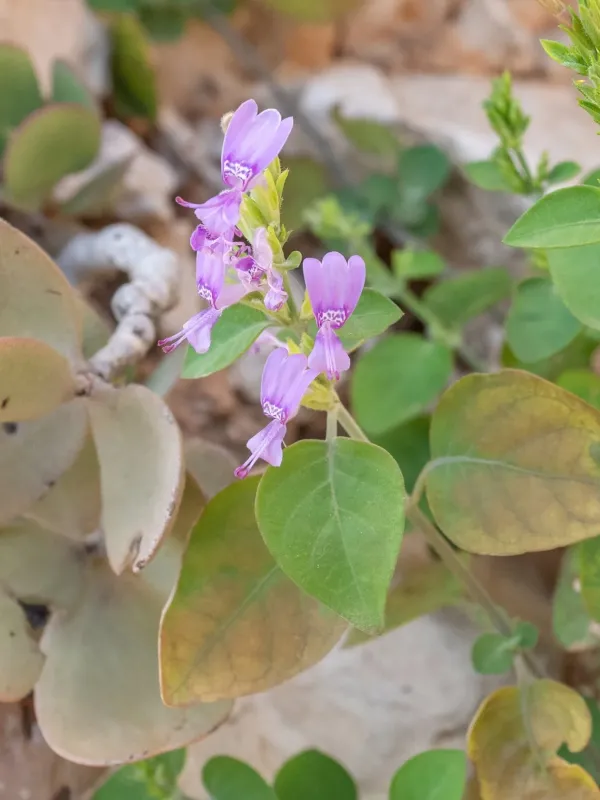
Hypoestes forskalei is a herbaceous perennial belonging to the Acanthaceae family. Native to tropical regions of Africa and the Arabian Peninsula, this plant typically inhabits shaded areas within diverse forest ecosystems, showing high adaptability to specific light conditions.
Botanically, the species is distinguished by its opposite leaf arrangement and unique bilabiate flowers organized in terminal spikes. The stem structure is semi-woody at the base, which provides necessary physical stability as the plant matures during its active growth phases.
Environmental requirements for this culture include a stable thermal range between 20°C and 25°C. Excessive heat or chilling temperatures are detrimental to its metabolic processes, making it a sensitive species that requires careful placement in indoor or greenhouse settings.
The soil profile should consist of high-quality organic matter mixed with porous drainage materials. Maintaining a neutral soil pH is essential for nutrient uptake. Proper aeration of the root system is critical, preventing the compaction of the growing medium over time.
Agronomic management involves consistent moisture levels, ensuring the soil remains damp but not waterlogged. Supplemental lighting may be required if natural light levels are insufficient during winter months to maintain the plant's health and structural integrity.
Main diseases and pests
The main biological threats include spider mites and whiteflies, which thrive in low humidity and stagnant air. Management strategies should prioritize integrated pest control using biological agents or systemic insecticides during early infestation stages.
Fungal pathogens typically affect the root zone when cultural practices fail to regulate moisture correctly. To mitigate risks, growers must emphasize proper container drainage and apply preventative antifungal treatments during periods of high humidity.