
Ribbon bush
Hypoestes aristata
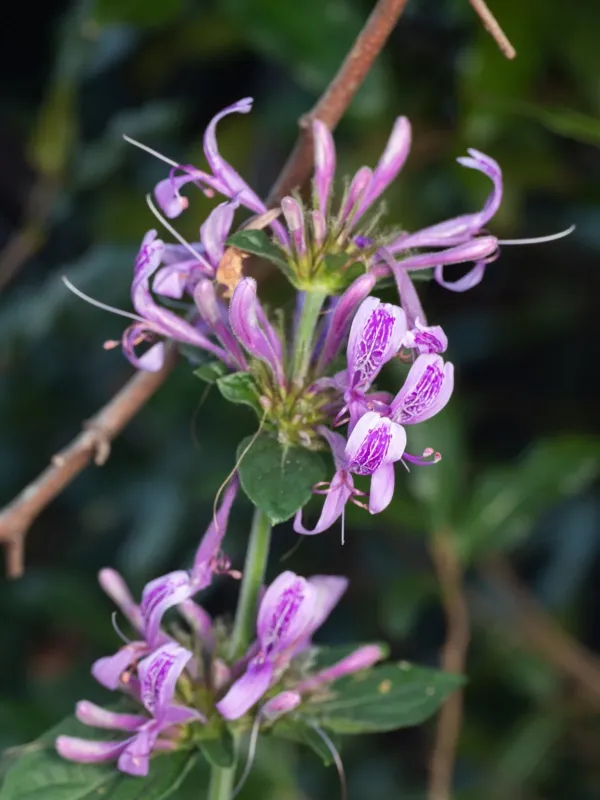
Description
Sowing dates
Sowing seeds of Hypoestes aristata is typically performed in late winter to early spring to ensure the plants are robust before the main growing season. Seeds should be placed in a light, well-draining substrate to allow adequate oxygen penetration for the embryos.
Maintaining a soil temperature of 20–24 degrees Celsius is essential for successful germination. It is advisable to cover the seed trays with a plastic or glass dome to create a humid environment that prevents the surface layer from drying out.
Once the seedlings have developed two true leaves, they should be pricked out into individual containers. This process helps establish a strong root system and reduces resource competition between individual plants.
Hardening off the seedlings over a period of two weeks before outdoor planting is crucial. This helps the young plants adapt to variable temperature and light conditions, minimizing transplant shock significantly.
When transplanting into the final site, ensure a spacing of at least 30 centimeters between plants. Proper spacing is fundamental to ensure sufficient air circulation and light exposure, which reduces the risk of foliar diseases.
Growing requirements
Hypoestes aristata, a member of the Acanthaceae family, originates from the tropical regions of Southern Africa. It thrives in well-lit areas but prefers bright, indirect sunlight to prevent the foliage from scorching during peak hours.
The crop requires fertile, loamy soil with a neutral to slightly acidic pH level. Excellent drainage is non-negotiable, as waterlogged soil quickly leads to root rot and other physiological disorders in this species.
During the active growth phase, consistent moisture is required, though the soil should never be saturated. Protecting the plants from sudden temperature drops and cold drafts is important, as the species is sensitive to thermal stress.
Regular fertilization with balanced mineral nutrients is necessary to sustain growth and encourage profuse blooming. Potassium-rich fertilizers are particularly beneficial during the transition to the flowering stage.
Routine pruning is a key agrotechnical practice for this plant. It helps maintain a compact, bushy habit and prevents the stems from becoming leggy, ultimately extending the plant's ornamental lifespan.
Main diseases and pests
The primary threats to Hypoestes aristata often stem from poor management of moisture levels. Excessive irrigation, especially in poorly aerated soil, acts as a primary catalyst for root rot and various fungal pathogens.
Spider mites and whiteflies are the most prevalent pests. These insects flourish in environments with low humidity, necessitating regular monitoring of the underside of the leaves to identify early infestations.
Aphids can cause significant damage by feeding on the sap of young, tender shoots. Preventive treatments with horticultural soaps or biological insecticides are effective in managing populations without damaging the plant's aesthetic value.
Powdery mildew may develop if there is insufficient air movement around the plant foliage. Maintaining proper distance between plants and avoiding overhead irrigation during the late afternoon helps to mitigate this risk.
To ensure long-term health, it is essential to remove damaged or diseased tissue immediately. If chemical intervention is necessary, apply registered fungicides according to the specific labels to protect the plant's health.