
Hygrophila aristata
Hygrophila aristata
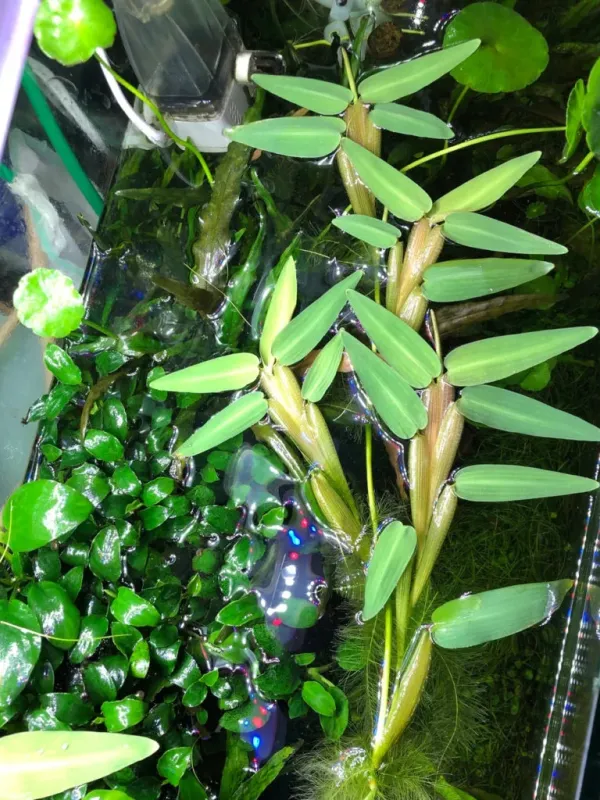
Description
Growing requirements
Hygrophila aristata is a perennial plant belonging to the Acanthaceae family. It is native to tropical regions of Asia, where it predominantly grows in wetlands, marshes, and along the banks of rivers and streams, demonstrating high adaptation to semi-aquatic conditions.
The plant features upright stems and lanceolate leaves arranged in pairs. Its biological structure allows for significant physiological flexibility, enabling it to thrive in both submerged and emergent growth states depending on the environmental availability of moisture.
For optimal cultivation, it requires a stable climate with ambient temperatures ranging from 22°C to 28°C. Consistent thermal conditions are vital to prevent physiological stress, which can lead to stunted development and reduced vegetative growth rates.
The soil or growing medium should be nutrient-rich, with a slightly acidic to neutral pH level. Proper substrate composition, often including organic substrates mixed with minerals, is essential for supporting the root system and ensuring nutrient uptake.
Agricultural management requires adequate light exposure to maintain photosynthetic efficiency. Sufficient illumination is the primary driver of leaf coloration and structural integrity, preventing the plant from becoming leggy or weak.
Main diseases and pests
Fungal diseases are among the most common threats to Hygrophila aristata, especially in environments with poor ventilation or waterlogged conditions. These pathogens can cause stem necrosis and root decay if left unchecked.
Pests such as spider mites and aphids may infest the foliage, particularly in greenhouse environments where humidity levels fluctuate. Monitoring the undersides of leaves is critical for early detection and mitigation of these infestations.
Nutrient deficiency symptoms, such as leaf chlorosis or tip burn, frequently occur when soil or water mineral concentrations are imbalanced. Regular testing of the growth environment is necessary to prevent these non-infectious conditions.
Maintaining high standards of plant hygiene, including the sterilization of tools and the quarantine of new plants, significantly reduces the risk of introducing pathogens into the growing area.
In cases of infestation or disease, integrated pest management practices should be followed. This includes the selective use of environmentally safe pesticides and the removal of severely affected plant parts to prevent further spread.