
Hygrophila chevalieri
Hygrophila chevalieri
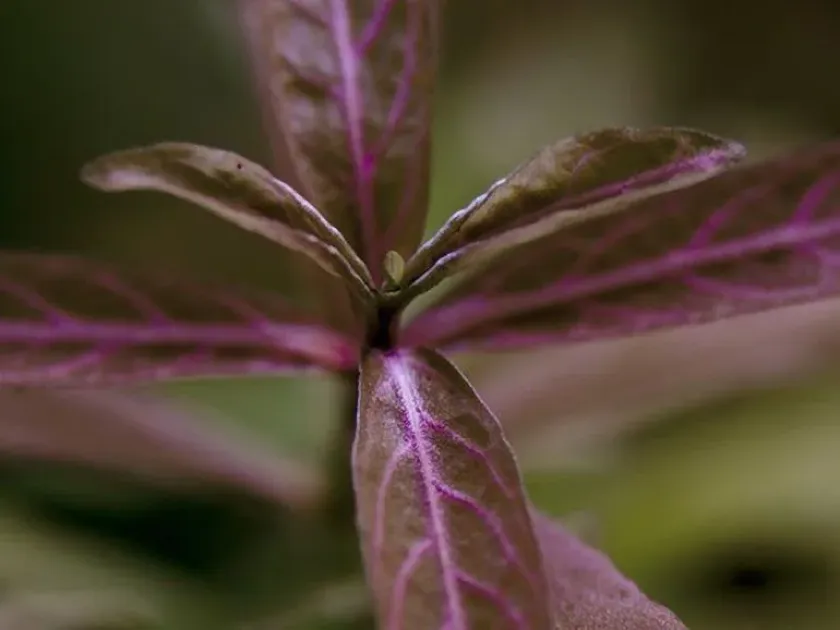
Description
Sowing dates
Propagation of Hygrophila chevalieri in cultivation is primarily carried out through vegetative methods, specifically by stem cuttings. The optimal time for planting is during the active growth phase, when the photoperiod is between 10 and 12 hours.
Cuttings with well-developed nodes should be planted directly into a nutrient-rich substrate, where they rapidly form adventitious roots. The rooting process requires stable water temperatures to stimulate metabolic activity during the establishment phase.
When using aquarium systems, it is essential to ensure adequate water circulation around the stems to prevent the development of fungal infections at the contact zone between the cutting and the substrate.
A crucial aspect of propagation involves the gradual acclimatization of cuttings, especially if they were previously grown in emersed conditions, requiring a controlled reduction in air humidity within the nursery environment.
Recommended planting density is approximately 5 to 7 stems per square decimeter, ensuring sufficient light penetration to the lower leaf tiers and preventing excessive stem elongation.
Growing requirements
Hygrophila chevalieri belongs to the Acanthaceae family and is an amphibious or aquatic herbaceous plant native to the tropical regions of Africa, characterized by its unique growth patterns.
Successful cultivation requires a temperature range of 22–28 degrees Celsius, while maintaining soft to medium-hard water with a nearly neutral pH balance ranging between 6.5 and 7.5.
The plant has high light intensity requirements, preferring a light output of at least 0.5 Watts per liter of volume. Insufficient lighting leads to a loss of ornamental appeal and poor leaf pigmentation.
Soil requirements involve a substrate rich in organic matter with a grain size of 2–4 mm, which facilitates robust root system development and efficient mineral nutrient absorption.
In terms of agrotechnology, the application of micronutrients, particularly iron compounds, is critical for maintaining the plant's characteristic vibrant coloration and overall vegetative health.
Main diseases and pests
Common threats to the culture include infestations of nuisance algae, such as "black brush algae" or cyanobacteria, which can suppress the plant's growth if biological equilibrium is disrupted.
In closed-environment cultivation, the plant is susceptible to greenhouse whitefly infestations, particularly when grown in paludarium conditions, requiring timely treatment with biological insecticides.
A deficiency in dissolved carbon dioxide often triggers chlorosis, where leaves turn yellow and edges begin to necroticize prematurely due to impaired photosynthesis processes.
Excessive levels of nitrates and phosphates can lead to rapid decay of the lower stem, especially in areas with poor water aeration, necessitating regular water changes and system monitoring.
- Infestations by aquatic snails.
- Bacterial rot following mechanical damage.
- Fungal infections caused by high air humidity.