
Henrya insularis
Henrya insularis
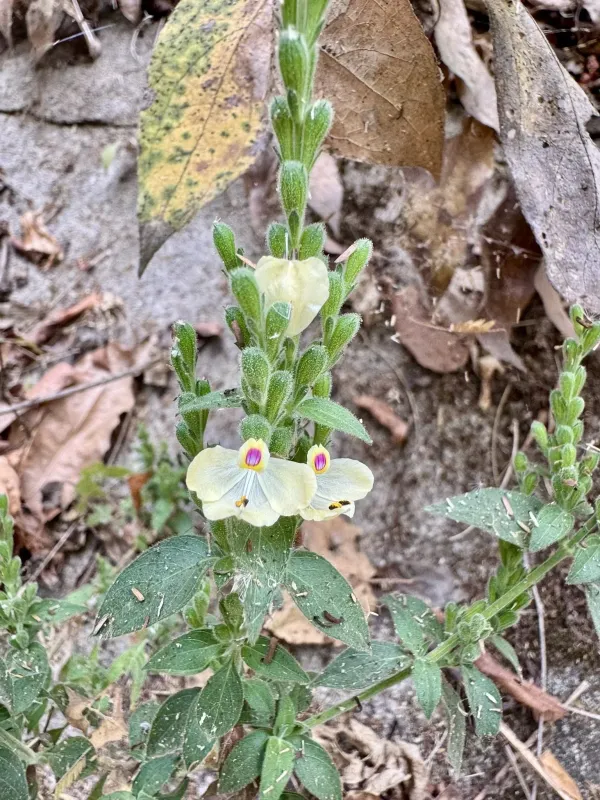
Description
Sowing dates
Henrya insularis, a member of the Acanthaceae family, is a herbaceous perennial that thrives in tropical climates. Sowing should coincide with the onset of the rainy season to ensure that seeds receive sufficient moisture for consistent germination.
For controlled propagation, seeds should be sown in a well-draining, nutrient-rich substrate. Maintaining a soil temperature between 22 and 26 degrees Celsius is essential for optimal sprout emergence and early development.
In industrial settings, vegetative propagation via cuttings is often preferred due to its efficiency. Healthy, semi-hardwood cuttings are taken during the active growth phase and placed in a high-humidity propagation chamber to stimulate rooting.
Sowing density is a critical factor for long-term health. Providing adequate spacing between individual plants ensures healthy airflow and prevents the competitive growth that can weaken the overall stand.
After the establishment of a robust root system, young plants can be transplanted into the field. This transition should ideally occur during cooler morning hours to minimize transplant shock and allow for better acclimatization to field conditions.
Growing requirements
This crop has strict temperature requirements and performs best in consistent, warm conditions. It is highly sensitive to cold and can suffer significant damage if temperatures drop consistently below 20 degrees Celsius.
Soil requirements involve well-drained, fertile loams with a neutral to slightly acidic pH. Waterlogging is a severe threat to this plant, as it rapidly promotes root decay and overall physiological decline.
Light exposure should be intense but diffused. In areas with extreme solar radiation, providing partial shading is necessary to prevent leaf scorching and excessive transpiration, which can dehydrate the plant.
Irrigation must be precise; the soil should remain moist but never saturated. Drip irrigation systems are highly recommended to deliver water directly to the root zone while minimizing surface dampness.
Nutrient management focuses on balanced NPK applications at the beginning of the growing season. Supplemental potassium is particularly beneficial during the transition to flowering to support reproductive vigor.
Yield
The agricultural yield of Henrya insularis is primarily measured by the total biomass production. When managed as a fodder crop, the timing of the harvest is critical to ensuring the highest protein content.
Under optimal conditions with proper irrigation and fertilization, this crop can be harvested multiple times per season. Its ability to regenerate quickly from the base makes it highly resilient for intensive harvesting regimes.
The nutritional profile of the harvested biomass makes it a promising candidate for supplementing animal diets. Research into the chemical composition of the leaves reveals essential nutrients that support livestock growth.
Maximizing yield also requires careful monitoring of plant age. Older stands tend to produce more lignified stems, which are less digestible; therefore, a structured rotation cycle is recommended for continuous production.
Data-driven yield management involves tracking tonnage per hectare across different growth cycles, allowing farmers to adjust fertilization schedules to specific soil nutrient levels for peak efficiency.
Main diseases and pests
Pest management is focused on controlling sucking insects, such as aphids and spider mites, which can flourish in the humid tropical environments preferred by the crop. Infestations can quickly lead to leaf curling and stunted growth.
Fungal pathogens represent a significant risk, particularly during periods of high humidity. Powdery mildew is a common concern that requires proactive air circulation management and the removal of infected plant parts.
Root rot, often caused by Phytophthora species, can decimate a crop in poor-draining soil. Preventive measures include regular soil aeration and strict avoidance of standing water after heavy rains.
Integrated Pest Management (IPM) strategies are essential for maintaining crop health. This includes the use of beneficial predatory insects and organic fungicides to minimize the need for heavy chemical intervention.
- Use of disease-free planting material.
- Regular cleaning of agricultural tools.
- Strategic mulching to maintain soil structure and prevent pathogen spread.
Harvesting
The harvest should occur during the peak vegetative phase, just before the plant enters the reproductive stage. Harvesting at this time maximizes the nutritional value of the foliage for use as livestock feed.
Mechanical harvesting is appropriate for large-scale operations, provided that equipment is calibrated to leave enough stubble for regrowth. This preserves the crown of the plant and stimulates new shoot development.
Post-harvest processing involves rapid drying under shade to retain the plant's natural quality. Excessive exposure to direct sun during drying can lead to the loss of volatile nutrients and unwanted bleaching of the leaves.
Seed harvesting requires careful timing, as the seed pods can shatter when fully dry. Collecting seeds just as the pods begin to brown is the best strategy to minimize losses during manual or semi-mechanical collection.
Proper storage of dried biomass and seeds is necessary to prevent rot and insect damage. Using ventilated storage units kept at low humidity ensures the longevity of the harvested product for the coming seasons.