
Hygrophila auriculata
Hygrophila auriculata
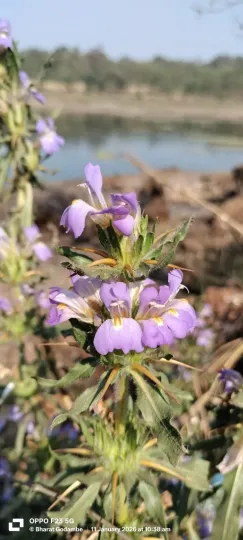
Description
Sowing dates
Hygrophila auriculata is a robust perennial herb belonging to the Acanthaceae family. It is known for its adaptation to wetland environments and tropical climatic zones.
Sowing typically occurs in the spring, requiring temperatures between 20°C and 30°C to initiate germination. The seeds require adequate moisture and high humidity levels to sprout effectively.
For large-scale production, soil preparation must ensure high water-holding capacity. Sowing is usually shallow, as light exposure is often beneficial for the germination process of these seeds.
Optimal crop density should allow for proper spacing, typically 30–40 cm between plants, to facilitate management and harvesting while maintaining air circulation.
Propagation can be achieved either through seeds or stem cuttings, which are efficient for cloning the plant's desirable medicinal characteristics in controlled environments.
Growing requirements
This crop thrives in warm, humid conditions and is inherently adapted to marshy soil environments. It requires constant soil moisture to maintain its physiological functions.
Abundant sunlight is necessary for optimal development, as it directly influences the synthesis of secondary metabolites within the plant tissues, critical for its medicinal value.
The ideal soil is rich in organic matter, often clay-based or silt-heavy, which mimics the riparian ecosystems where this plant is naturally found in the wild.
Temperature management is crucial; the plant performs best at temperatures ranging from 22°C to 30°C. Prolonged exposure to temperatures below 15°C will significantly stunt growth.
Proper irrigation systems are essential to prevent drought stress. In dry periods, frequent watering is required to maintain the high turgor pressure needed for rapid biomass accumulation.
Main diseases and pests
The most significant threats to the crop include fungal pathogens that proliferate under high-humidity conditions, particularly in areas with poor ventilation and stagnant air.
Root rot and leaf spot diseases are common, necessitating preventative measures such as adequate drainage and careful density management to limit the spread of infections.
Pests such as spider mites and aphids are known to target the foliage, especially when the plant is under water stress, leading to a reduction in leaf quality and harvest volume.
Slugs and snails can also damage young shoots, requiring monitoring in wetter areas of the plantation to prevent significant mechanical loss of the vegetative biomass.
Integrated Pest Management (IPM) is strongly recommended, as the plant is frequently used for pharmaceutical or traditional medicine purposes, limiting the use of synthetic pesticides.
Harvesting
Harvesting is ideally timed during the full flowering stage. During this period, the plant exhibits the highest concentration of active compounds, including alkaloids and flavonoids.
Plants are harvested by cutting the aerial parts of the stem, usually leaving a small base to allow for potential regeneration if the growing season duration permits.
Immediate post-harvest handling is critical. The collected biomass should be cleared of debris and transported to the drying facility without delay to prevent spoilage.
Drying is performed in shaded, well-ventilated areas or climate-controlled dryers at temperatures not exceeding 45°C to preserve the integrity of the active chemical components.
Once dried to the desired moisture level, the material should be processed or stored in airtight containers to maintain its medicinal potency and prevent environmental degradation.