
Hemigraphis repanda
Hemigraphis repanda (L.) Hallier f.
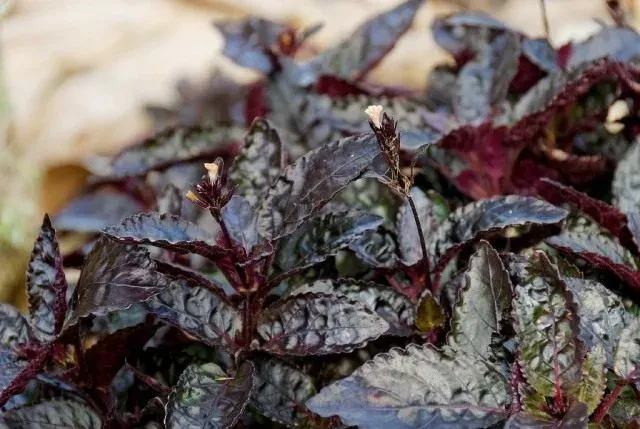
Description
Sowing dates
Propagation of Hemigraphis repanda is predominantly achieved through stem cuttings. The most favorable period for harvesting cuttings is during the active growth phase, which typically occurs in the late spring and throughout the summer months.
Cuttings should be placed in a light, sterile, and well-aerated medium. Maintaining high humidity and consistent temperatures between 22 and 25 degrees Celsius is essential to encourage rapid root development in the juvenile plants.
Utilizing a rooting hormone can significantly increase the success rate of propagation. The environment should be kept stable until the plant establishes a sufficient root system, after which it can be transplanted into a permanent container.
Once the root ball is well-formed, the plant should be transferred into a nutrient-rich soil mix. Gradual acclimation to less humid environments is recommended after the initial establishment phase to strengthen the plant.
Seed propagation is rarely utilized in professional or home cultivation due to the plant's natural vegetative vigor and the difficulty of acquiring viable seeds. Vegetative propagation remains the standard for maintaining specific variety traits.
Growing requirements
Hemigraphis repanda is a tropical perennial belonging to the Acanthaceae family, native to the lush environments of Southeast Asia. It is primarily valued for its foliage and its ability to thrive in warm, humid microclimates.
The culture requires bright, indirect light to maintain its vibrant leaf coloration. Exposure to direct sunlight, particularly during peak afternoon hours, is detrimental and can lead to severe leaf scorch and dehydration.
The ideal soil substrate for this plant should be acidic to neutral, peat-based, and highly porous to prevent waterlogging. Consistent moisture levels are required, but drainage must be flawless to ensure the roots remain oxygenated.
Temperature management is crucial, with an ideal range being 18–26 degrees Celsius. The plant shows a strong negative response to thermal shock, making it essential to avoid placement near air conditioning units or heaters.
High relative humidity is a cornerstone of successful Hemigraphis care. Growers should utilize humidifiers or pebble trays to prevent leaf tip necrosis, which is a common stress indicator in dry interior environments.
Main diseases and pests
The most common pests affecting Hemigraphis repanda are spider mites and mealybugs. These organisms thrive in environments where the air is excessively dry, often leading to rapid population growth that can damage the plant's tissue.
Root rot, induced by poor drainage and excessive irrigation, represents the most significant pathological threat to this culture. This condition often results in yellowing foliage and structural collapse if not caught early.
Integrated pest management, including regular foliage washing and inspections, is the most effective approach for controlling insect populations. Chemical interventions should be used only as a last resort in cases of severe infestation.
Poor air circulation can lead to the development of fungal pathogens, including powdery mildew. Providing adequate ventilation and spacing between plants is critical to preventing the spread of fungal spores in a closed growing area.
Maintenance of overall plant vigor through proper nutrition and hydration schedules remains the best form of defense against both biotic and abiotic stressors that can compromise the health of this delicate tropical plant.