
Hemigraphis alternata
Hemigraphis alternata (Burm. f.) T. Anderson
Description
Growing requirements
Hemigraphis alternata, commonly known as Red Ivy or Metal Leaf, is a herbaceous perennial plant belonging to the Acanthaceae family. Originating from the tropical regions of Southeast Asia, it is well-adapted to warm, humid environments with diffused lighting conditions.
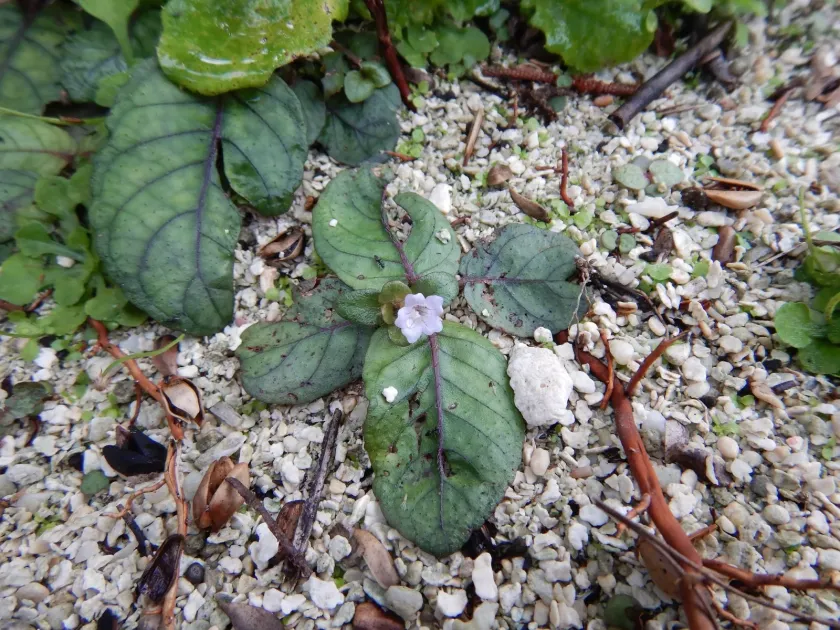
The plant is characterized by its prostrate, creeping stems and attractive, ovate leaves. The foliage features a distinctive metallic appearance with dark green or silver tones on top and a vibrant purple underside, which creates a striking contrast in ornamental displays.
Cultivation requires strict adherence to temperature regimes, ideally maintained between 18°C and 25°C. Exposure to drafts or sudden temperature fluctuations should be avoided, as the plant is highly sensitive to environmental stress and may experience significant leaf drop.
Soil requirements focus on high organic matter content, moisture retention, and excellent drainage. A well-balanced potting mix consisting of peat, leaf mold, and coarse sand is recommended to promote vigorous root development while preventing waterlogging.
Providing high ambient humidity is crucial for maintaining the aesthetic quality of the foliage. In greenhouse or nursery settings, frequent misting or the use of automated humidification systems is essential, especially during periods of high temperature or low natural moisture.
Main diseases and pests
The most common pests affecting Hemigraphis alternata are spider mites, mealybugs, and whiteflies. These pests thrive in dry conditions and can cause severe damage to the foliage; integrated pest management involving systemic insecticides or horticultural oils is recommended.
Fungal pathogens leading to root rot and stem decay are the primary disease concerns. These are typically associated with poor drainage, over-irrigation, or insufficient air circulation. Preventive measures include proper sanitation of growing media and strict control of watering frequency.