
Blechum pyramidatum
Blechum pyramidatum
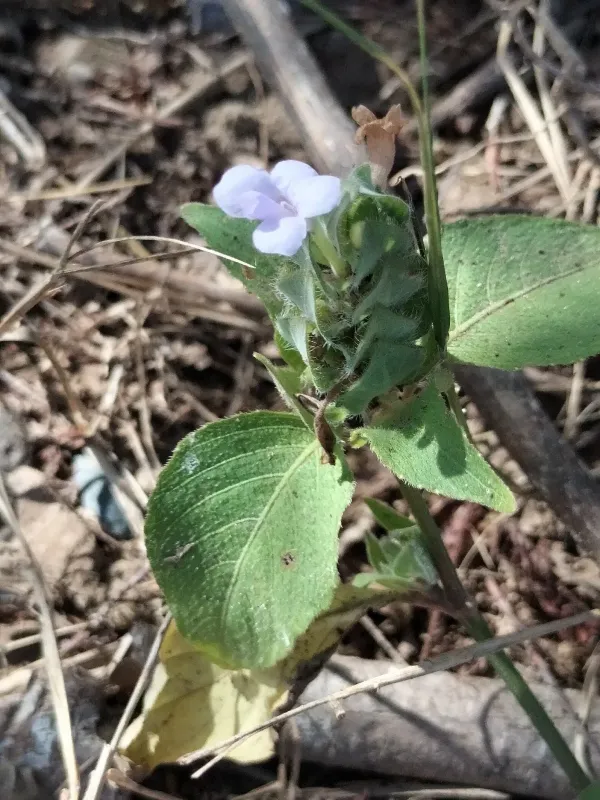
Description
Growing requirements
Blechum pyramidatum is a perennial herbaceous plant belonging to the Acanthaceae family. It is native to the tropical regions of the Americas and is widely distributed across various island nations.
This species is well-adapted to humid environments and is frequently encountered in shaded woodland areas, clearings, and agricultural fields where it thrives as an opportunistic colonizer.
The plant requires a tropical climate with consistent temperatures and high levels of ambient humidity to reach its full physiological potential during the growing season.
It performs best in nutrient-rich soils that possess moderate moisture retention but also feature adequate drainage to prevent saturation of the root system.
Botanically, it is recognized by its decussate leaves and characteristic terminal, spike-like inflorescences that are protected by overlapping, pyramid-shaped bracts.
Yield
While often categorized as an agricultural weed, Blechum pyramidatum has historical significance in traditional medicine, where its aerial parts are utilized for their antimicrobial properties.
The biomass generated by the plant can serve as a beneficial soil amendment, acting as organic matter that improves soil structure when composted correctly.
Harvesting efficiency is highest when done manually during the vegetative phase, as the plant responds vigorously to pruning and recovers rapidly due to its resilient rootstock.
Productivity is highly dependent on local environmental conditions; in semi-shaded, well-watered habitats, the plant can produce substantial quantities of harvestable tissue.
Ongoing research explores its potential utility in sustainable landscaping and erosion control, as the species forms a dense ground cover that stabilizes loose soil surfaces.
Main diseases and pests
Primary threats to the health of the plant include fungal pathogens such as leaf spot and root rot, especially when cultivated in stagnant, overly humid conditions.
Pest pressures primarily come from sap-sucking insects like aphids and whiteflies, which may stunt growth and vector viral diseases within plant populations.
Management of these threats involves strictly maintaining proper spacing to ensure airflow and avoiding overhead irrigation that leaves foliage damp for extended periods.
Integrated pest management strategies focusing on cultural practices are preferred to preserve the medicinal quality of the plant material without chemical contamination.
Monitoring for signs of chlorosis or leaf necrosis is essential, as these symptoms often indicate underlying issues with soil nutrition or the presence of parasitic nematodes.