

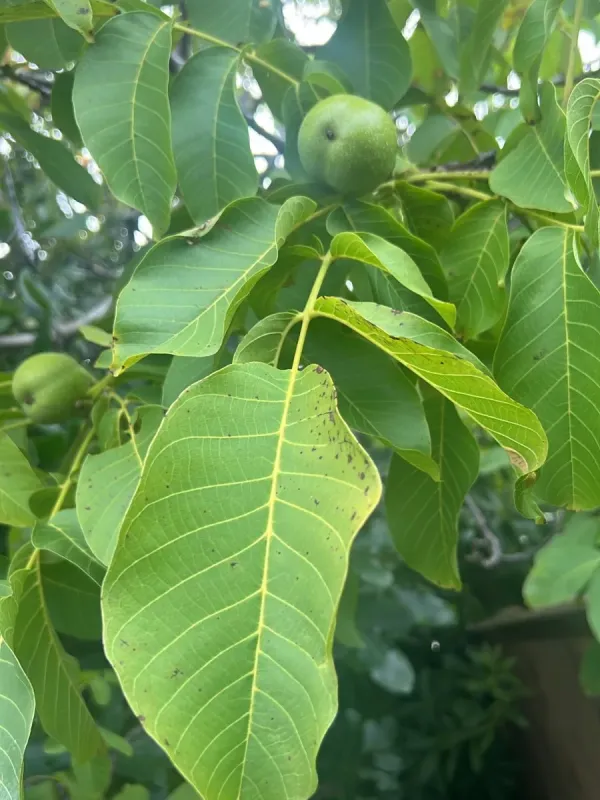
Description
Sowing dates
Planting common walnut trees is best done in autumn to allow the root system to settle before the winter dormant season. In colder climates, early spring planting is recommended to avoid frost damage to young, tender roots.
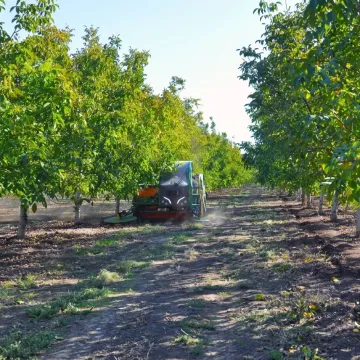
The site selection should prioritize deep, well-draining soil with ample sunlight. Walnuts are large trees, so spacing of at least 10 meters between trees is crucial for optimal canopy development and future yields.
Digging a large pit and enriching it with compost or well-rotted manure helps the young tree establish quickly. Ensuring the tree is planted at the correct depth, with the root collar flush with the soil surface, is vital.
Most commercial orchards utilize grafted saplings rather than seedlings to ensure genetic uniformity and early fruit production. This practice is essential for maintaining the high standards required for global market quality.
Early maintenance involves regular watering during the first two to three years of growth, especially during summer dry spells, to encourage deep root system development and structural stability.
Growing requirements
The common walnut (Juglans regia L.), a member of the Juglandaceae family, thrives in temperate climates. It requires a long growing season and moderate temperatures to produce high-quality nuts effectively.
Soil quality is paramount; walnuts prefer fertile, deep, and well-drained loamy soils. They are sensitive to waterlogged conditions, which can lead to root rot and other physiological stressors, severely affecting the tree.
Abundant sunlight is necessary for photosynthesis and nut ripening. Inadequate light levels not only reduce yield but also increase susceptibility to various fungal infections, as the foliage stays damp for longer.
While mature trees are relatively drought-tolerant, consistent irrigation during the fruit-filling stage significantly boosts nut size and quality. Efficient water management is a hallmark of successful commercial nut farming.
Selecting climate-appropriate cultivars is essential for areas with harsh winters. Proper variety selection ensures that the tree can withstand temperature fluctuations and provides a reliable annual harvest.
Yield
Walnut trees typically begin to bear fruit between 7 and 10 years after planting, depending on the variety and propagation method. Peak production capacity is reached after the tree matures significantly.
Annual yields vary based on tree age, nutrition, and environmental conditions. A healthy, mature walnut tree can produce substantial quantities of nuts, contributing significantly to the economic value of the orchard.
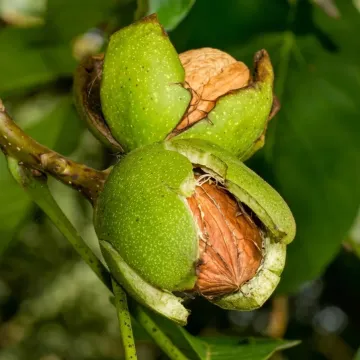
Timely harvest is critical for maintaining nut quality. Once the outer husk splits, it indicates the fruit is ready for collection. Delaying the process can expose the kernels to moisture and fungal pests.
Post-harvest handling is just as important as cultivation. Cleaning and drying the nuts to a specific moisture level is mandatory to prevent spoilage and ensure they remain shelf-stable for long periods.
Regular pruning and maintenance help keep the tree canopy open. This allows for better sunlight penetration and airflow, which are fundamental to preventing the build-up of moisture and common walnut pathogens.
Main diseases and pests
Common walnuts face pressure from various pathogens and pests that can impact tree vigor and fruit yield. Key threats include several fungal and bacterial diseases:
- Anthracnose — causes necrotic lesions on leaves and fruit.
- Bacteriosis — manifests as black spots on flowers and young nuts.
- Root rot and Phytophthora — affects the underground portions of the tree.
- Fusarium and Ascochyta — fungal infections exacerbated by high humidity.
- Root-knot nematodes — microscopic pests causing root damage.
Pests like the codling moth and various mite species can significantly degrade fruit quality. An integrated pest management program is necessary to minimize losses while maintaining orchard health.
Maintaining orchard hygiene, such as removing fallen leaves and pruning dead wood, is the most effective way to lower the pressure of fungal diseases like Alternaria and Anthracnose.
Proactive monitoring of the tree for any sign of stress or disease is vital. Using appropriate fungicides when necessary and providing balanced nutrition helps the trees maintain their innate resistance to these common threats.
In brief
17
Crop diseases
Content graph
Crop diseases · 17
Alternaria leaf spotAlternaria leaf spotAnthracnoseAscochyta blightBranch wilt of walnutCrown gallCylindrocarpon wiltDeep bark canker of walnutFusarium wiltHoney fungusLate blightMelanconiosis of walnutParatylenchus diseaseRing nematodeRoot-knot nematodeSuperficial bark necrosis of walnutWalnut microstroma leaf spot
Content graph
Connections · Common walnut
Most often together:
Marketplace
Products · 26





Innoparmis Agrosains / Nano Chelate Fertilizer Enriched Iron 10%
FanAvar Sepehr Parmis, Іран.
Fertilizers
0
0
·
54
No offers
—
Details