
Hinds-regia walnut hybrid
Juglans hindsii x Juglans regia
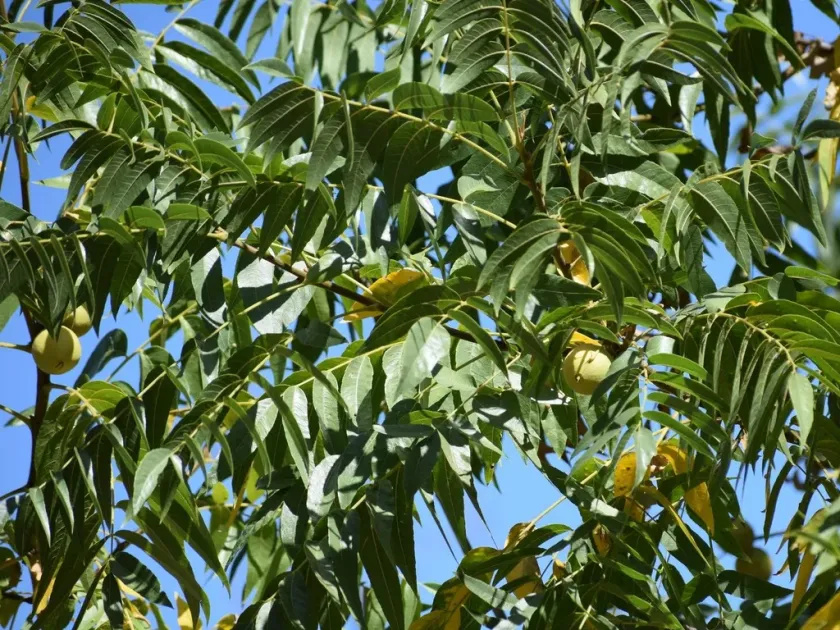
Description
Growing requirements
The Juglans hindsii x Juglans regia hybrid is a vigorous cross between the California black walnut (Hindsii) and the English (Persian) walnut. This plant, belonging to the Juglandaceae family, is prized for its exceptional vigor, often exceeding the growth rates of both parent species.
Regarding soil requirements, this hybrid thrives in deep, well-drained, and nutrient-rich soils. One of its key agricultural advantages is its improved tolerance to various soil textures compared to pure Juglans regia, making it suitable for a wider range of orchard sites.
Climatic requirements generally align with those of standard walnut production, needing sufficient sunlight and moderate temperatures for optimal kernel development. The hybrid demonstrates high resilience, making it a reliable choice for commercial nursery operations.
Agronomic practices focus on establishing a robust root system during the first few years. Irrigation management is crucial, particularly in regions with irregular rainfall, to maintain the rapid growth characteristic of this hybrid.
The primary economic value of this tree is as a rootstock. Due to its genetic background, it offers superior resistance to soil-borne pathogens and root-knot nematodes, which are often major limiting factors in high-density walnut plantations.
Main diseases and pests
Bacterial blight (Xanthomonas arboricola) remains the most significant disease affecting the foliage and young fruit of this hybrid. High humidity environments increase the risk of infection and require careful orchard management.
Pest pressures include the codling moth, which can severely damage the nuts, and several species of aphids. Regular monitoring is necessary to keep pest populations below the economic injury level.
Root rot (Phytophthora) can occur if the site has poor drainage or if irrigation levels are mismanaged, leading to waterlogged soil conditions.
Integrated Pest Management (IPM) strategies, including biological control and targeted use of fungicides, are recommended to protect the health of the trees and ensure consistent yields.
Orchard sanitation, such as removing mummified nuts and pruning dead branches, is an effective way to reduce the inoculum levels for common walnut diseases.