

Reference · Crops
Walnut
Juglans L.
Planting of the walnut tree (Juglans regia) is best performed in the spring, once the soil has sufficiently warmed and the danger of severe frost has passed. This timing allows the root system to establish itself before the onset of intense summer heat.
11
items
What the section contains
 Common walnut
Juglans regia L.
112 products
Common walnut
Juglans regia L.
112 products
 Arizona walnut
Juglans major (Torr.) A. Heller
Arizona walnut
Juglans major (Torr.) A. Heller
 Arizona Walnut and Common Walnut Hybrid
Juglans major x Juglans regia
Arizona Walnut and Common Walnut Hybrid
Juglans major x Juglans regia
 Black walnut
Juglans nigra L.
Black walnut
Juglans nigra L.
 Butternut
Juglans cinerea L.
Butternut
Juglans cinerea L.
 Hinds walnut
Juglans hindsii (Jeps.) R. E. Sm.
Hinds walnut
Juglans hindsii (Jeps.) R. E. Sm.
 Hinds-regia walnut hybrid
Juglans hindsii x Juglans regia
Hinds-regia walnut hybrid
Juglans hindsii x Juglans regia
 Intermediate walnut
Juglans x intermedia Jacques
Intermediate walnut
Juglans x intermedia Jacques
 Little walnut
Juglans microcarpa Berland.
Little walnut
Juglans microcarpa x Juglans regia
Little walnut
Juglans microcarpa Berland.
Little walnut
Juglans microcarpa x Juglans regia
 Manchurian walnut
Juglans mandshurica Maxim.
Manchurian walnut
Juglans mandshurica Maxim.
Marketplace
Products in this section · 12
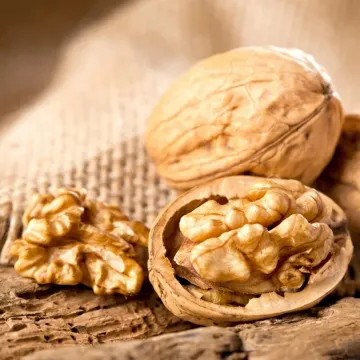

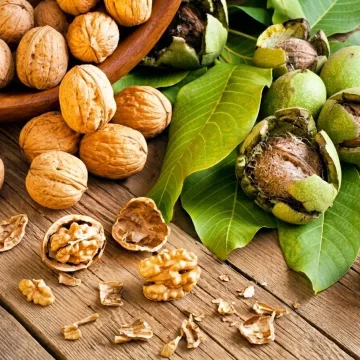
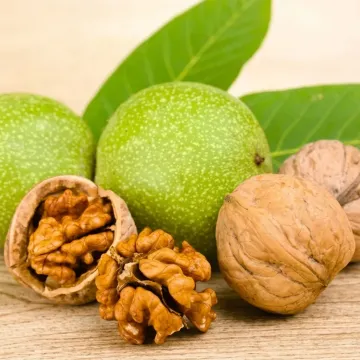
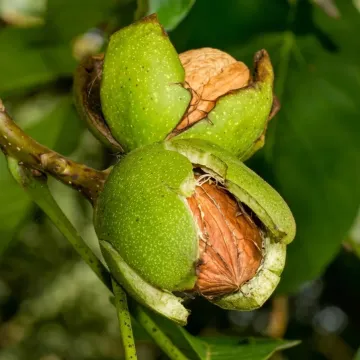


Walnut
In regions with milder climates, autumn planting is also a viable option. It is crucial to ensure that the trees are planted several weeks before the ground freezes to allow for initial root development and improved survival rates.
For seed-based propagation, nuts are sown in the soil either in the fall or after a period of stratification in the spring. Stratification, which involves keeping the seeds in a moist and cool environment, is essential for achieving uniform germination.
Selecting the right site is paramount because walnut trees are long-lived and require substantial space. Proper spacing, typically 10 to 12 meters between trees, ensures that each individual tree receives adequate sunlight and ventilation throughout its life.
The planting hole must be wide and deep to accommodate the initial root growth. Adding organic matter to the soil during the planting process helps improve moisture retention and nutrient availability for the young tree.
The walnut tree is a sun-loving species belonging to the Juglandaceae family. It requires a full-sun exposure to thrive, as shade-stressed trees often exhibit reduced growth, sparse foliage, and significantly lower nut production over time.
Walnuts prefer deep, fertile, and well-drained loam soils. They are sensitive to waterlogging and poor drainage, which can lead to root rot. High soil salt content is also detrimental to the overall health and productivity of the tree.
Regarding climate, while many modern cultivars have improved cold tolerance, the species is generally susceptible to late spring frosts. These frosts can damage emerging buds and young shoots, potentially resulting in the loss of that year's crop.
Regular and consistent watering is vital during the early years of the tree's growth. Once mature, while more drought-tolerant, walnut trees still benefit from irrigation during the peak summer months to ensure high-quality nut development.
Soil management practices such as mulching and organic fertilization are recommended. Regular pruning is also necessary to maintain a balanced structure, remove dead or diseased branches, and encourage the development of lateral fruiting spurs.
The yield of a walnut orchard depends heavily on cultivar selection, tree age, and the quality of agricultural practices. With proper care, mature trees can provide a substantial and reliable harvest year after year.
Grafted cultivars typically begin to produce nuts as early as 4 to 6 years after planting, providing a faster return on investment compared to seedling trees, which may take over a decade to reach full production capacity.
High yields are supported by effective cross-pollination. Including multiple compatible varieties within the orchard design ensures a steady supply of pollen, which is essential for maximizing the number of nut sets during the flowering period.
Irrigation management, specifically drip irrigation, is highly effective in increasing nut size and kernel fill. Providing water at critical growth stages helps the tree withstand environmental stress and optimizes its metabolic processes.
Balanced fertilization programs, including nitrogen, phosphorus, and potassium, are essential for maintaining tree vigor. Proper nutrition prevents biennial bearing and ensures the tree has enough energy to produce a high-quality crop each season.
Walnut blight is a common bacterial disease that affects leaves, catkins, and fruit. It often manifests as dark spots on the nuts and can cause premature drop if not managed through timely application of copper-based sprays.
Anthracnose, caused by fungi, can lead to severe leaf spotting and defoliation during rainy seasons. Protecting the foliage is critical, as it is the primary source of the energy needed for both tree growth and nut development.
The codling moth is one of the most destructive pests in walnut production. Larvae bore into the nuts, destroying the kernel and making the crop unmarketable. Integrated pest management (IPM) using traps and targeted sprays is standard.
Aphids and mites can also infest trees, causing leaves to curl and reducing the photosynthetic capacity of the tree. Keeping the orchard clean and removing infected plant material helps keep pest populations below economic thresholds.
A comprehensive defense strategy includes preventative pruning and orchard sanitation. Removing fallen leaves and infected fruit is essential to reduce the overwintering population of pests and pathogens, thereby keeping the orchard healthy.
Harvesting begins when the outer green husk begins to split, revealing the shell underneath. This stage indicates that the nut is fully mature and ready to be gathered before it falls to the ground.
Mechanized shakers are commonly used in commercial settings to quickly and efficiently dislodge the nuts. Rapid harvest is essential to minimize the time the nuts spend in contact with the ground, which prevents moisture damage and mold.
The hulling process, where the outer husk is removed, should take place immediately after harvest. If delayed, the stains from the husk can darken the shell and reduce the market value of the nut.
Drying is a critical post-harvest step. The nuts should be dried in a well-ventilated area or a specialized dryer at moderate temperatures until the moisture content of the kernel is approximately 8 to 10 percent for long-term storage.
Once dried, the nuts should be stored in a cool, dry place with good airflow. Under optimal storage conditions, high-quality walnuts can maintain their flavor and freshness for 12 months or longer after being processed.