
Butternut
Juglans cinerea L.
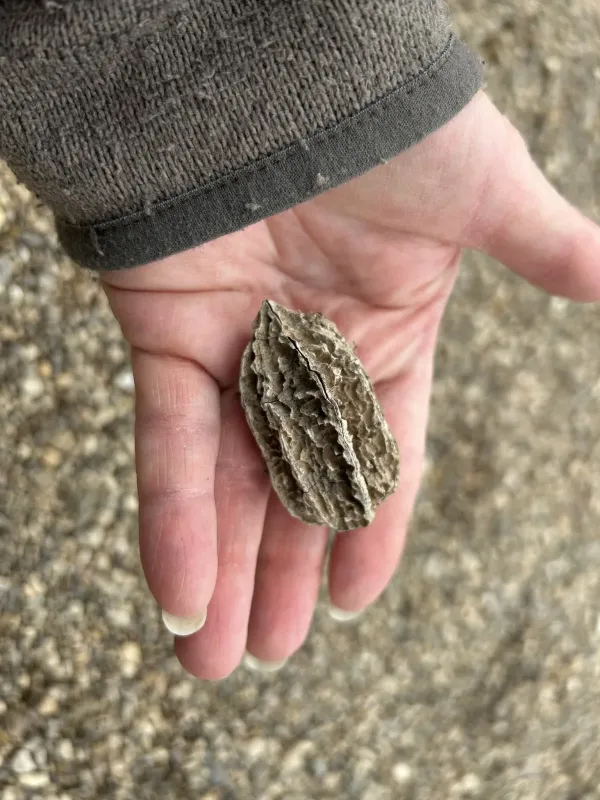
Description
Sowing dates
Butternut trees are propagated primarily by planting fresh seeds in the autumn to facilitate natural stratification over the winter months.
If spring planting is preferred, seeds must undergo cold stratification in moist sand at temperatures around 0 to 5 degrees Celsius for several months.
Seeds should be sown at a depth of approximately 8 to 10 centimeters, ensuring they remain protected from soil drying and rodents.
Optimal germination rates are achieved when seeds are sourced from healthy, mature mother trees that show strong resistance to local diseases.
Seedlings develop a deep taproot early on, making them sensitive to transplantation, so selecting a permanent location from the start is advisable.
Growing requirements
The Butternut tree, a member of the Juglandaceae family, thrives in deep, rich, well-draining soils with consistent moisture levels.
This species is highly adaptable to various climates but performs best in locations that receive full sun for most of the day.
While tolerant of some shade in early stages, the tree requires significant light exposure as it reaches maturity to produce nuts efficiently.
Soil pH should ideally be neutral or slightly acidic, and the site must avoid locations prone to seasonal flooding or water stagnation.
Butternut trees are notably hardy and can withstand severe winter temperatures, making them suitable for northern agricultural regions.
Yield
Trees grown from seeds typically begin to produce their first crop of nuts between the ages of 8 and 12 years.
Nut production is cyclical and varies based on climatic conditions, with yields increasing significantly as the tree reaches its prime.
The nuts have an elongated shape, a deeply furrowed hard shell, and a delicious, buttery flavor highly prized for culinary purposes.
In addition to food, the tree serves as an excellent source of high-quality, lightweight timber for artisanal woodworking and furniture.
Proper management of the tree canopy and soil nutrition can help stabilize and maximize the annual yield of the crop.
Main diseases and pests
Butternut Canker is a severe fungal disease caused by Ophiognomonia clavigignenti-juglandacearum, which represents the greatest threat to this species.
Various insect pests, including the walnut husk fly, can damage the developing fruits, leading to premature drop and reduced quality.
Leaf spots and foliage diseases can weaken the tree if not monitored, especially during seasons with high humidity and limited airflow.
Integrated pest management and prompt removal of infected branches are essential strategies for maintaining the health of the grove.
Preventative measures include choosing resistant genotypes and avoiding injuries to the bark, which serve as entry points for pathogens.
Harvesting
The harvest season for Butternuts occurs in the autumn, usually shortly after the first frost when the hulls begin to wither.
Nuts should be collected promptly after falling to prevent insect infestation and to ensure the kernel remains high in quality.
Once gathered, the sticky hulls must be removed, followed by a thorough drying process in a shaded, well-ventilated area.
Proper drying is critical to inhibit mold growth and preserve the natural oils present within the nut meat for long-term storage.
Stored in cool, dry conditions with adequate air circulation, Butternuts can maintain their flavor and texture for extended periods.