
Description
Symptoms
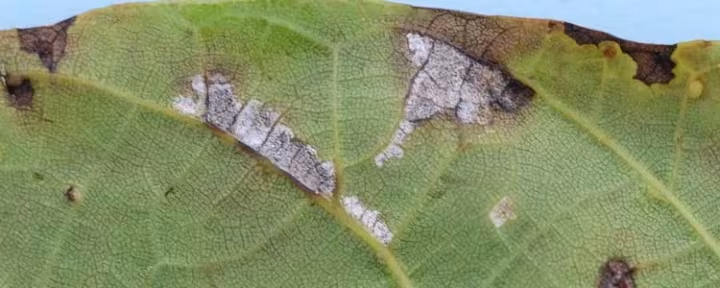
The primary symptom of the disease is the appearance of light-yellow or white spots on the underside of the leaves, which may turn brownish later.
These affected areas become thin and necrotic, often leading to leaf curling, deformation, and premature drying of the foliage.
A distinctive powdery white substance, representing the fungal sporulation, is often visible on the underside of the leaves in the early stages.
Severe infections frequently result in early defoliation, leaving the tree canopy sparse well before the normal autumn season.
The infection can also spread to leaf petioles and young succulent shoots, causing localized necrosis and stunting the growth of the tree.
Pathogen
The causative agent of this disease is the fungus Microstroma juglandis, classified as a member of the Fungi Imperfecti (Deuteromycetes).
The fungus overwinters primarily in infected fallen leaves, where mycelia and fruiting bodies remain dormant until the next spring.
In spring, the pathogen produces conidia which are disseminated via wind, rain splashes, or insects to new, emerging leaves.
The fungus is host-specific to the genus Juglans, with walnut trees being the most significant agricultural hosts for this pathogen.
Infection cycles are dependent on the pathogen's ability to penetrate the host tissue through stomata or directly through the epidermal layer under high humidity.
Conditions for development
High humidity and moderate temperatures are the most critical factors favoring the rapid spread and development of the pathogen.
Prolonged rainy periods during the spring growth flush create ideal environmental conditions for massive fungal infection of the walnut foliage.
Poorly ventilated orchards with dense tree canopies are particularly vulnerable because they retain moisture for extended periods.
Trees under stress, due to nutrient deficiencies or pest infestations, often display higher susceptibility to Microstroma infections compared to healthy trees.
The most vulnerable stage for the tree is during the initial expansion of leaves when the cuticle is relatively thin and easy for the fungus to penetrate.
Why it matters
The disease significantly reduces the photosynthetic capacity of the tree by destroying large portions of the leaf tissue.
Premature leaf drop leads to decreased carbohydrate reserves, which negatively affects nut yield, fruit size, and quality for the current and following season.
Chronic annual infections weaken the tree's vigor, making it more susceptible to environmental stressors such as winter frost and secondary pathogens.
Stunted growth and twig dieback caused by the fungus can permanently alter the structure of young walnut trees.
Economic losses are cumulative, as the overall health and longevity of the orchard decline if the disease is left unmanaged over several years.
Protection
Sanitation is the most effective management strategy; removing and destroying all fallen leaves during autumn eliminates the primary overwintering inoculum.
Pruning to improve air circulation and sunlight penetration within the canopy helps keep foliage dry and reduces the window for infection.
Dormant season copper-based sprays can significantly reduce the potential for primary infection in the following spring.
Fungicide applications during the leaf development stage may be necessary in orchards with a history of high disease pressure.
- Maintain tree vigor with balanced fertilization programs.
- Monitor and manage pests that cause leaf injury, providing entry points for fungi.
- Implement spacing practices that allow for proper canopy ventilation.
Pathogens and affected parts
Affects crops · 1
Discussion
No discussions yet — be the first.