
Description
Symptoms
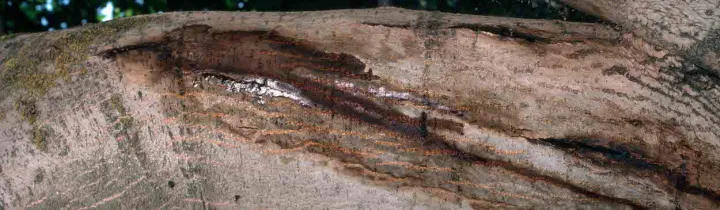
One of the primary symptoms is the development of longitudinal cracks in the bark of the trunk and main scaffold branches.
Dark, reddish-brown to black bacterial exudate frequently oozes from these cracks, which later hardens on the surface.
As the infection progresses, deep, necrotic cankers develop beneath the bark, often penetrating deep into the sapwood.
Leaves may show symptoms of chlorosis or wilting, and overall tree vigor declines significantly as the vascular system fails.
- Longitudinal bark cracks
- Dark bacterial exudate
- Deep necrotic lesions
- Limb dieback
- Stunted tree growth
Pathogen
The disease is caused by the bacterium Erwinia rubrifaciens, a significant phytopathogen that targets walnut trees.
This bacterium is known for colonizing the bark, cambium, and phloem of the tree, disrupting its vascular function.
The pathogen is highly contagious and spreads through wounds, pruning cuts, and natural bark fissures occurring in the tree.
Once established, the bacterium can survive within the host tissues and in the surrounding environment for extended periods.
Dissemination often occurs via splashing rainwater, wind, and contaminated tools used during orchard maintenance operations.
Conditions for development
Warm and humid weather conditions are highly conducive to the proliferation and spread of Erwinia rubrifaciens.
Late spring frosts or sharp temperature fluctuations lead to bark injury, providing easy entry points for the bacteria.
Rapid vegetative growth induced by excessive nitrogen fertilization can cause bark splitting, which encourages pathogen entry.
Poor orchard sanitation and overcrowding contribute to the rapid transmission of the disease between adjacent trees.
High moisture levels during the growing season favor the survival of bacterial colonies on the outer bark surfaces.
Why it matters
Deep bark canker causes severe structural damage to the tree, often leading to the death of scaffold branches or the entire tree.
Infected trees suffer from reduced productivity and poor quality of harvested walnuts due to the systemic nature of the infection.
The disease significantly shortens the lifespan of the orchard and results in substantial financial losses for walnut growers.
Severe cankering creates vulnerability to secondary pathogens, such as wood-decay fungi, which further weaken the tree structure.
Once a tree is heavily infected, it becomes an inoculum source, threatening the health of all surrounding walnut trees in the area.
Protection
The most effective strategy involves strict sanitation measures, including the disinfection of pruning tools between every single tree.
Early detection and excision of cankers down to healthy tissue followed by the application of copper-based bactericides can help.
Avoiding excessive nitrogen applications helps to maintain bark integrity and reduces the susceptibility of trees to bark cracking.
Regular preventive sprays with copper-based products are recommended to protect the bark during critical periods of the season.
Removing and burning heavily infected limbs or trees is essential to prevent the spread of the pathogen to the rest of the orchard.
Pathogens and affected parts
Affects crops · 1
Discussion
No discussions yet — be the first.