
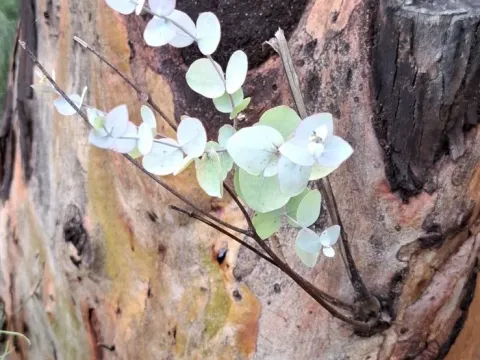
Candlebark
Eucalyptus rubida H. Deane & Maiden
Eucalyptus rubida, a member of the Myrtaceae family, is typically propagated from seed in specialized nurseries. The seeds are small and require a fine, well-draining germination medium to ensure high success rates during the sowing process.
What the section contains
Candlebark
Optimal sowing occurs in early spring, allowing the seedlings to establish a vigorous root system before the onset of extreme weather conditions. The seeds should be surface-sown and covered with only a light layer of vermiculite or sand to maintain humidity.
Maintaining a consistent temperature between 20°C and 25°C is crucial for the germination of Eucalyptus rubida seeds. High humidity levels should be sustained through misting while ensuring the medium does not become waterlogged, which could lead to damping-off.
Once true leaves develop, seedlings must be hardened off before being transferred to their final site. This transition phase is vital for the survival of the saplings and their ability to withstand environmental stress in open plantation conditions.
Planting density is a key consideration for industrial forestry, requiring sufficient spacing to allow for proper crown development and access for mechanical equipment used in maintenance and harvesting operations.
Eucalyptus rubida, commonly known as Candlebark, is native to the southeastern Australian highlands. This geographic origin makes the species notably more cold-tolerant than many other eucalyptus varieties, allowing it to thrive in temperate upland regions.
The species prefers well-drained, fertile soil types, typically performing best in loamy or sandy-loam soils with slightly acidic to neutral pH levels. It is sensitive to soil compaction and waterlogging, which can inhibit its rapid growth rate.
Botanically, the tree is recognized for its smooth bark that sheds in long ribbons, revealing a white or pale cream surface. Its leaves undergo significant developmental changes, transitioning from juvenile ovate shapes to mature lanceolate forms.
Full sun exposure is a non-negotiable requirement for the optimal development of the species. Inadequate sunlight leads to etiolation, reduced stem structural integrity, and increased susceptibility to secondary pests and pathogens.
Economically, this tree is valued for its pulp production, high-quality essential oil potential, and its role as a durable timber source. It also serves as a valuable ornamental and windbreak species in landscape management.
The primary threats to Eucalyptus rubida include defoliating insects such as chrysomelid beetles, which can cause significant growth retardation in young trees. Regular monitoring for these pests is essential to prevent severe foliage loss.
Fungal diseases, including leaf spot and root rot, represent the most common pathological threats. These are frequently exacerbated by poor site selection, particularly in areas with high humidity or low soil drainage capacity.
Integrated Pest Management (IPM) strategies, including the use of biological control agents and targeted chemical application, are recommended to maintain tree health. Early detection through periodic orchard surveys is critical for effective control.
Improving air circulation through appropriate pruning and thinning operations helps reduce the incidence of fungal pathogens. Promoting tree vigor through balanced nutrition is the best long-term defense against both biotic and abiotic stressors.
Sanitation practices, such as removing infested plant debris, prevent the overwintering of pests and the spread of fungal spores across the plantation. Maintaining clean, weed-free zones around the base of the trees also reduces competition and pest harborages.