
Blue gum
Eucalyptus globulus Labill. subsp. globulus
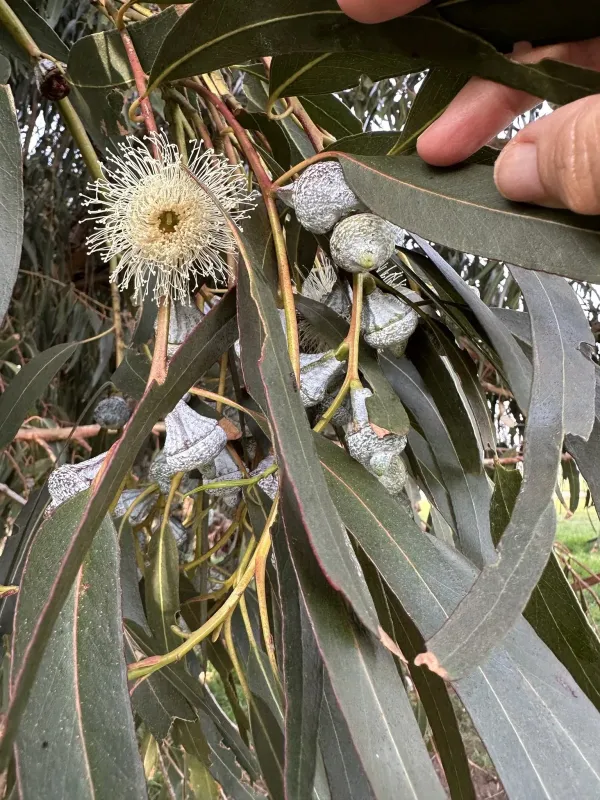
Description
Sowing dates
Sowing of Blue Gum seeds is typically carried out in nursery conditions to ensure optimal germination. Seeds are sown in a light, sterile medium at temperatures ranging between 18°C and 22°C, often under controlled light conditions.
Once seedlings reach a height of approximately 15–20 cm, they are prepared for transplanting. In commercial operations, containerized seedlings are preferred as they ensure minimal root disturbance and higher survival rates in the field.
The planting density is determined by the intended final product. For timber production, plantations are generally established with 1,600 to 2,000 stems per hectare to encourage vertical growth and trunk development.
Spring is the ideal season for field planting once the risk of frost has passed. Early establishment is crucial for the seedlings to develop a strong root system before the onset of the first dry or cold season.
Irrigation during the first year is essential to prevent seedling stress. Many modern plantations utilize drip irrigation systems to provide precise water delivery, which significantly increases the uniformity of the stand.
Growing requirements
Eucalyptus globulus, a member of the Myrtaceae family, is a fast-growing evergreen species originating from Australia. It is highly valued for its rapid biomass accumulation and adaptability to various temperate climates.
The tree thrives in deep, well-drained, fertile soils with a slightly acidic pH. It performs poorly in waterlogged or overly compacted soils, where root diseases can easily take hold and inhibit development.
Blue Gum requires significant solar exposure and prefers areas with high atmospheric humidity. While it can withstand short periods of drought, consistent moisture availability is necessary to achieve peak growth rates.
Temperature management is vital during the early growth stages. Although mature trees are moderately frost-tolerant, young plantations require protection from severe cold spells to prevent damage to the terminal buds.
Effective plantation management involves regular weed control, as young eucalyptus trees are sensitive to competition for nutrients and water in their initial years. Maintaining clear inter-rows is standard practice.
Yield
Blue Gum is renowned for its exceptional growth rates, often yielding significant volumes of wood in short rotations. It is one of the most widely planted eucalyptus species globally for industrial forestry.
The wood is primarily used for pulp and paper manufacturing, prized for its high-quality fiber. It is also processed into sawn timber, veneer, and various wood-based panels for construction and furniture making.
Essential oil extraction is another major economic driver. Eucalyptus globulus leaves are a primary source of cineole-rich oil, which is heavily utilized in pharmaceuticals, cosmetics, and industrial cleaning products.
Yields are maximized through careful selection of genetic varieties and proper silvicultural techniques. Fertilization schedules are often tailored to specific soil types to address nutrient deficiencies and boost growth.
The species also exhibits strong coppicing ability, meaning that after harvesting, the stumps regenerate new shoots. This practice reduces the need for replanting and provides multiple harvests from a single rootstock.
Main diseases and pests
Fungal leaf spots, caused by various pathogens like Mycosphaerella, are the most frequent threats. These infections can lead to premature defoliation, severely reducing the photosynthetic capacity of the trees.
Phytophthora root rot poses a significant threat in areas with poor drainage or during abnormally wet seasons. Mitigation requires selecting disease-resistant planting stock and careful site preparation.
Various insect pests, including beetles and leaf-chewing larvae, can cause substantial damage to the canopy. Biological control programs are often implemented in sustainable plantations to manage these populations.
Physical damage from windstorms and ice buildup can weaken the structure of the trees. Plantation design, including the use of shelterbelts, can help minimize the impact of extreme weather events.
Ongoing monitoring is critical for identifying potential pest and disease outbreaks early. Maintaining stand health through correct silvicultural practices is the best defense against long-term ecological risks.
Harvesting
Timber harvesting typically occurs in a 10 to 15-year cycle. Trees are felled using modern forestry machinery designed to efficiently handle large volumes of wood while preserving the stump for regeneration.
Leaf harvesting for essential oil production is often done by mechanized harvesting, followed immediately by steam distillation. This process captures the volatile compounds before they degrade from exposure to the environment.
Post-harvest logistics are crucial to maintain wood quality. Logs should be transported to mills shortly after felling to prevent decay and cracking, which are common in high-density eucalyptus wood.
Sustainability in harvesting involves leaving harvest residues on the forest floor to improve nutrient cycling and protect the soil. This practice supports the productivity of future coppice rotations.
Sorting and grading of wood products occur at the processing site to ensure that high-value timber is separated from pulpwood, maximizing the total economic return of the plantation cycle.