
Eucalyptus astringens
Eucalyptus astringens (Maiden) Maiden
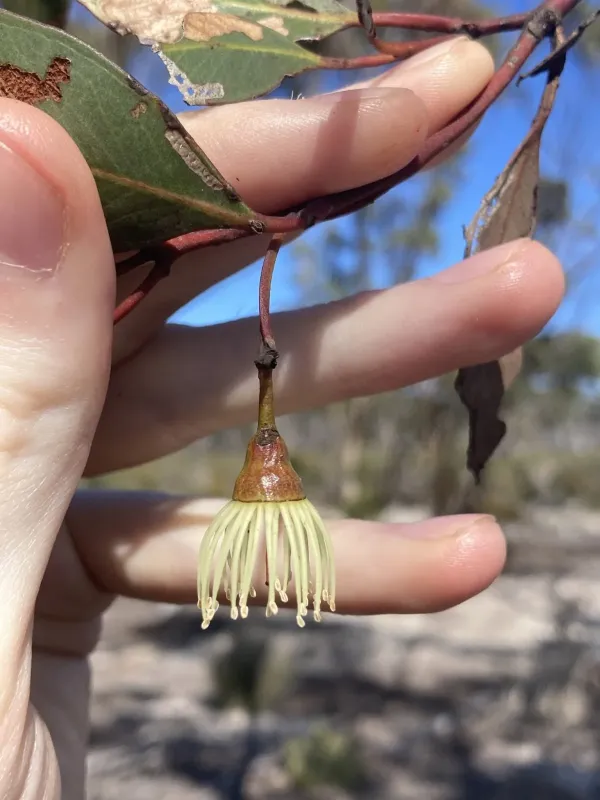
Description
Sowing dates
The propagation of Eucalyptus astringens is primarily conducted through seeds in controlled nursery environments. Sowing is best performed in early spring to utilize the rising temperatures and longer daylight hours for optimal germination.
A sterile, well-draining potting mix composed of fine sand and peat is recommended to provide stability for delicate seedlings. Keeping the substrate consistently moist but not waterlogged is crucial during the first weeks.
Once seedlings develop their first true leaves, they are typically transplanted into individual containers. This step is essential to allow for adequate root development before they are hardened off for field planting.
Hardening off is a vital process that acclimatizes young trees to outdoor conditions, including UV exposure and wind, over a period of several weeks prior to final placement.
For plantation establishment, planting density is determined by the desired product, whether it be timber or environmental restoration. Standard spacing ensures adequate airflow and prevents competition for sunlight.
Growing requirements
Eucalyptus astringens, commonly known as Brown Mallet, belongs to the Myrtaceae family. It is native to the southwest of Western Australia, thriving in regions with a Mediterranean climate.
This species prefers deep, loamy soils that offer good drainage. It is notoriously sensitive to waterlogging, making slope-based or well-drained level sites ideal for its successful growth.
Climatically, it is suited to areas with warm, dry summers and cool, mild winters. While it can tolerate slight frost, prolonged freezing temperatures can damage younger, non-acclimatized specimens.
Sunlight requirements for this species are high; it demands a full-sun position to maintain its characteristic upright growth habit and to prevent structural weaknesses associated with shade-grown trees.
Soil nutrient profile should be managed to ensure healthy growth. While it is adapted to nutrient-poor Australian soils, modest fertilization can significantly boost biomass production in timber plantations.
Yield
The tree is historically valued for its timber, which is exceptionally hard, dense, and strong. This makes it suitable for heavy-duty construction, tool handles, and specialized woodworking projects.
The species name, astringens, refers to the high tannin content found within its bark. Historically, this made the species an important source of tannins for the leather tanning industry.
Harvesting for timber is generally considered after the trees reach maturity, typically between 20 to 30 years, depending on site conditions and the specific management objectives of the plantation.
In addition to timber, the species contributes to reforestation efforts and carbon sequestration, acting as a productive component of agroforestry systems in appropriate ecological zones.
Yield management involves selective thinning processes, which improve the quality of remaining trees by reducing competition and encouraging the development of clear, straight boles.
Main diseases and pests
Fungal infections, particularly leaf spots and damping-off disease in young seedlings, represent significant threats to the development of healthy Eucalyptus astringens stands.
Insects such as leaf-eating beetles and wood-boring larvae can cause substantial damage to both foliage and the internal structure of the tree, potentially leading to stunted growth.
Root rot, often caused by Phytophthora species, is a serious threat in areas with poor drainage or over-irrigation. Once established in the root system, these pathogens are difficult to manage.
Environmental stressors like high winds, especially during the early growth stages, can cause structural deformities unless the saplings are staked or appropriately sheltered.
- Regular inspection for signs of herbivore or insect damage.
- Implementation of biosecurity measures in nurseries to prevent pathogen spread.
- Avoidance of irrigation patterns that encourage soil-borne fungal development.