
Coolibah
Eucalyptus microtheca F. Muell.
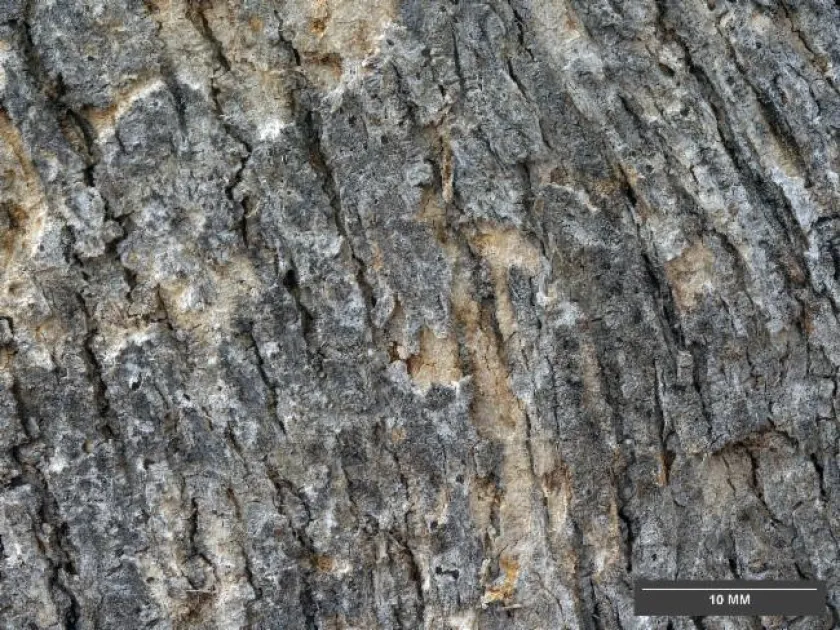
Description
Growing requirements
Eucalyptus microtheca, commonly known as Coolibah, belongs to the Myrtaceae family. Native to the harsh inland regions of Australia, this species is well-documented for its remarkable resilience and adaptability to extreme environmental conditions.
This tree is highly versatile regarding soil preferences. It excels in heavy clay soils that are prone to periodic inundation and can thrive in saline or alkaline environments where many other tree species would fail, making it a key species for land rehabilitation.
Coolibah requires full sun exposure for optimal growth. It is notoriously drought-tolerant, capable of surviving in areas with low annual precipitation, yet it demonstrates rapid growth rates when provided with sufficient moisture during the establishment phase.
Agricultural management of this species involves careful site selection to ensure adequate drainage despite its tolerance to floods. Young plantations benefit from weed suppression, which reduces competition for water and nutrients, promoting better early-stage root development.
The economic utility of Eucalyptus microtheca is significant. Its wood is incredibly dense, hard, and naturally resistant to decay, which makes it an ideal material for fence posts, construction supports, and heavy-duty agricultural tools that require long-term durability.
Main diseases and pests
The primary threats to Coolibah plantations include various defoliating insects, such as leaf beetles. These pests can significantly reduce the photosynthetic capacity of the trees, leading to stunted growth if left unmanaged during peak infestation periods.
Fungal diseases, particularly those affecting the root system, can become a problem in areas with stagnant water or in nurseries with poor air circulation. Phytophthora species are among the pathogens that require careful monitoring in sensitive plantation sites.
Integrated Pest Management (IPM) strategies are recommended to maintain plantation health. This includes the use of resistant genotypes and maintaining proper tree density, which prevents the build-up of moisture-loving pathogen populations.
Mechanical damage to the bark, whether from wildlife or maintenance machinery, can introduce wood-decaying fungi. Preventive measures involve training staff to conduct field operations with equipment that minimizes the risk of physical trauma to the trees.
In addition to biotic threats, fire management is critical. Given the oily nature of eucalyptus foliage, plantations must be designed with firebreaks to mitigate the risk of wildfire spread in arid regions where these trees are typically cultivated.