
Bentham's gum
Eucalyptus benthamii Maiden & Cambage
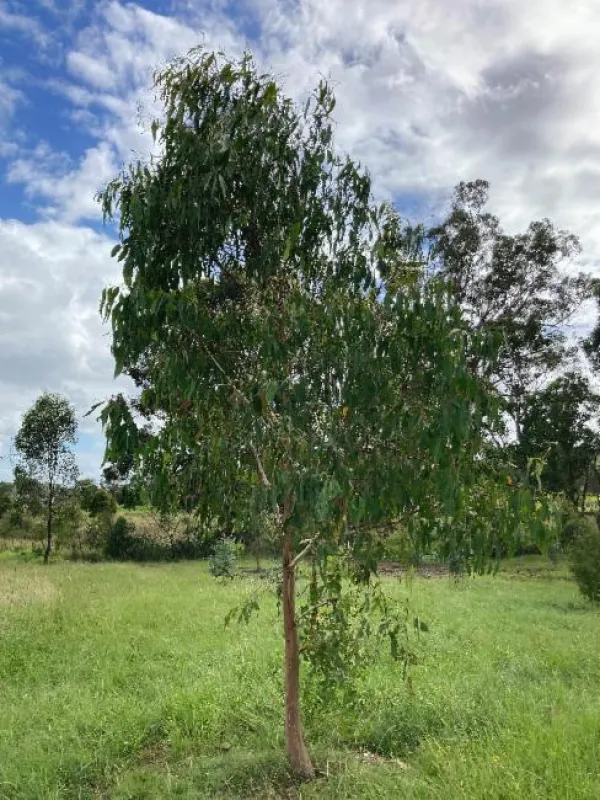
Description
Sowing dates
Eucalyptus benthamii, a member of the Myrtaceae family, is predominantly propagated in professional nursery environments to ensure high-quality, uniform planting stock for plantation establishment.
The optimal sowing period typically begins in early spring when temperatures remain consistently positive, facilitating a healthy start before the potential heat stress of summer arrives.
Seeds should be sown in containers using a nutrient-rich, well-draining substrate to prevent waterlogging, which is critical during the initial germination phase of this species.
Seedlings require consistent moisture levels and diffused light to avoid hypocotyl elongation and ensure the development of a strong, robust stem structure before field transplantation.
Acclimatization of seedlings, often referred to as hardening off, is necessary for several weeks before moving them into field conditions to increase their survival and resilience.
Growing requirements
This species is native to specific alluvial areas in southeastern Australia. It flourishes in deep, well-aerated alluvial soils that retain sufficient moisture without becoming prone to chronic waterlogging.
Eucalyptus benthamii is recognized for its superior cold tolerance compared to many other eucalyptus species, making it a viable candidate for temperate climates where temperatures occasionally drop to -10 °C.
While tolerant of various light conditions, the species performs best in full sun, which promotes dense crown development and consistent vertical growth rates essential for timber production.
Soil pH should remain in the neutral to slightly acidic range; alkaline or highly saline soils can severely impede nutrient uptake, leading to chlorosis and stunted biological growth.
During the first two years, supplemental irrigation is highly recommended in regions with distinct dry seasons, as the tree's deep root system requires time to establish and reach deeper water reservoirs.
Yield
Renowned for its rapid growth, Eucalyptus benthamii is highly valued in commercial forestry for its ability to produce significant biomass volume within a relatively short rotation cycle of 10 to 15 years.
The wood is primarily utilized for pulp and paper manufacturing, prized for its excellent fiber characteristics and density, which provide a high yield of high-quality cellulose.
The timber features a pale color and favorable physical properties, making it suitable for secondary processing into solid furniture, flooring, and aesthetic decorative veneers.
Optimizing planting density is crucial for maximizing wood yield per hectare, balancing the individual tree growth requirements with the desired cumulative volume at the time of harvesting.
Environmental benefits are also significant, as the species is frequently used in reforestation projects to prevent soil erosion and improve the topsoil structure through regular organic leaf litter accumulation.
Main diseases and pests
Root rot, primarily caused by fungal pathogens in overly damp or poorly drained soils, remains the most critical threat to young plantation health and overall survival rates.
Insect pests, specifically leaf-chewing species such as various weevils and chrysomelid beetles, can lead to substantial defoliation and a subsequent reduction in the tree's photosynthetic efficiency.
In warmer environments, Eucalyptus benthamii can be susceptible to specific pests like lerp insects; integrated pest management (IPM) strategies, including biological control, are recommended over broad chemical use.
Prevention through phytosanitary practices is paramount, as introducing infected nursery stock can lead to long-term contamination of the plantation area.
- Regular canopy inspections for early pest detection;
- Removal and destruction of infected or dead biomass;
- Strict control of plantation drainage systems;
- Use of appropriate weed suppression techniques to reduce competition.