
Brown stringybark
Eucalyptus obliqua L'Hér.
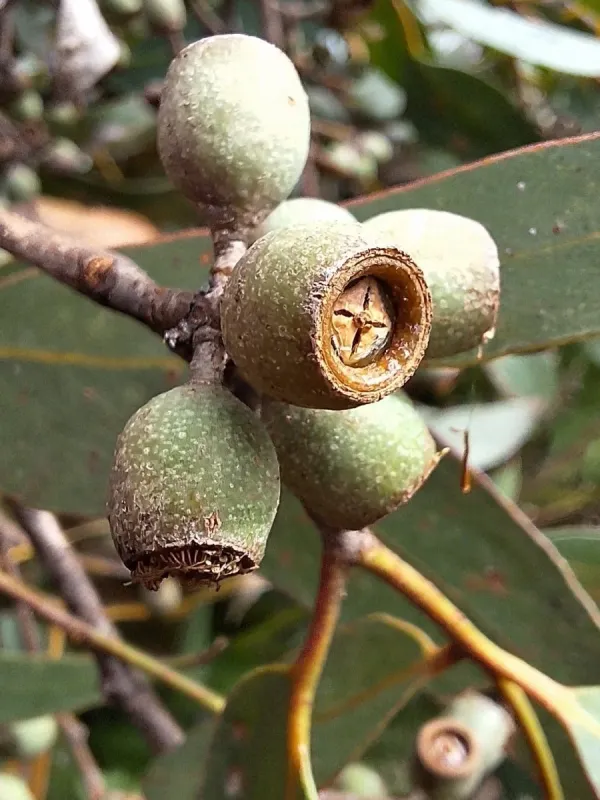
Description
Sowing dates
Sowing seeds of Eucalyptus obliqua is typically performed under controlled greenhouse conditions. Early spring, as day length increases, is the optimal time to stimulate germination.
Seeds are sown in well-drained, loose substrate, maintaining consistent humidity and temperatures between 20 and 25 degrees Celsius. It is crucial to avoid overwatering to prevent damping-off disease.
Once seedlings reach a height of 15–20 centimeters, they should be hardened off before transplanting into the field. Commercial plantations are usually established after the risk of frost has passed.
Planting density is dictated by the end-use of the timber. For structural lumber, spacing between rows is typically 3–4 meters to ensure trees have enough room to develop straight, high-quality trunks.
During the establishment of industrial plantations, protecting young trees from weed competition for the first two years is essential, as the species is sensitive to resource deprivation.
Growing requirements
Eucalyptus obliqua is an evergreen tree of the Myrtaceae family, native to southeastern Australia and Tasmania. It is distinguished by its ability to thrive in cooler, moist climates.
The crop prefers deep, fertile, and well-drained loamy soils. It performs poorly in waterlogged areas and shows low tolerance for highly alkaline or compacted ground conditions.
This species is characterized by a rapid growth rate and a robust root system, which allows it to efficiently extract water from deep soil profiles during drier periods.
Full sun or light shade is optimal for development. Intense sunlight promotes the synthesis of aromatic oils within the leaves, which are characteristic of this species.
In regions of introduction, it is necessary to consider shelterbelts, as young stands can be vulnerable to storm damage due to their rapid growth and flexibility.
Yield
The yield of Eucalyptus obliqua is measured in cubic meters of timber per hectare over a full rotation cycle. Due to its fast growth, the species provides sustainable volumes of timber every 20–30 years.
The primary use is the production of high-quality lumber, flooring, and structural beams. The wood is highly regarded for its density, strength, and durability.
A significant secondary use is the production of pulp for the paper industry, allowing even smaller or lower-grade sections of the logs to be utilized effectively.
The leaves contain valuable essential oils used in the pharmaceutical and cosmetic industries, adding significant economic value to the plantation investment.
Through active forest management, including timely thinning and pruning, the output of premium-grade timber can be significantly increased during the growth cycle.
Main diseases and pests
The primary threats include leaf-eating insects, such as weevils and various lepidopteran larvae, which can cause significant defoliation and reduce overall tree vigor.
Root rots are a critical risk when agronomic practices are neglected, particularly in waterlogged soils where poor drainage leads to stagnant water around the root zone.
Fungal infections, which cause leaf spots, tend to flourish under high humidity and poor ventilation within the stand, necessitating regular monitoring of the canopy health.
- Execution of sanitary logging to remove diseased or infested trees.
- Application of insecticides during peak periods of pest activity.
- Monitoring and maintenance of drainage systems to prevent waterlogging.
To prevent the spread of pathogens, it is recommended to maintain spatial isolation between different age cohorts of eucalyptus trees within the forestry operation.