
Dunn's white gum
Eucalyptus dunnii Maiden
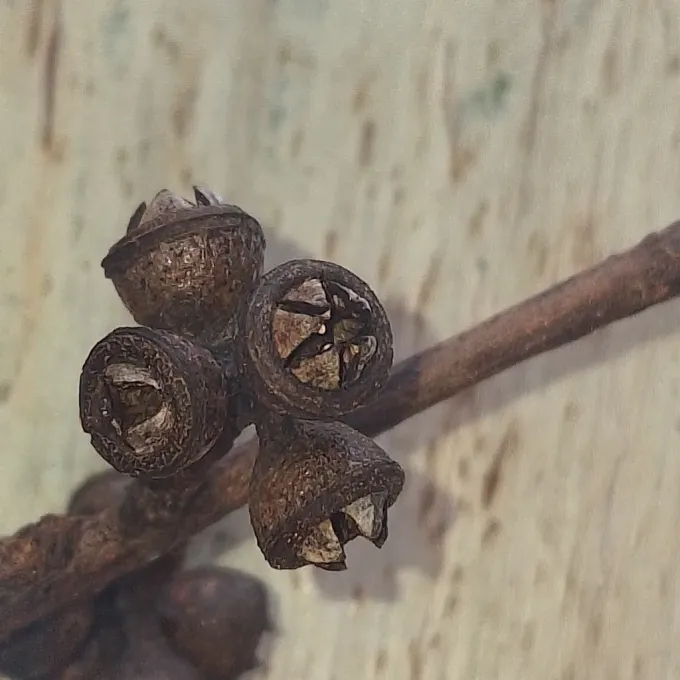
Description
Growing requirements
Dunn's white gum (Eucalyptus dunnii) is a prominent member of the Myrtaceae family, recognized for its exceptional growth rates and timber quality.
Native to the border regions of New South Wales and Queensland, this species thrives in high-rainfall subtropical areas with deep, nutrient-rich, and well-drained soils.
It prefers climates that avoid extreme temperature fluctuations, although it exhibits higher cold tolerance than many tropical eucalyptus species, surviving light frosts once established.
Successful cultivation requires thorough site preparation, including weed management during the critical first two years to ensure the saplings establish strong root systems.
The species demonstrates a high demand for nutrients, often requiring site-specific fertilization to achieve its maximum genetic potential for biomass production.
Yield
The primary use of Eucalyptus dunnii is in the production of high-quality pulpwood and sawlogs, making it a staple in industrial forestry plantations.
Due to its rapid growth cycle, plantations can be harvested for timber within 15 to 25 years, providing a sustainable source of raw materials for global markets.
The wood is highly valued for its light color, moderate density, and structural consistency, which are ideal for furniture manufacturing and various construction applications.
Management techniques such as thinning and pruning are often employed to increase the proportion of high-value clear wood within the harvested logs.
Carbon sequestration is an additional benefit of these intensive plantations, as the rapid rate of photosynthesis contributes significantly to atmospheric CO2 reduction.
Main diseases and pests
Pest management is a core challenge, with leaf-eating beetles and psyllids posing the most significant threats to young canopy development in commercial stands.
Fungal diseases, including leaf spot pathogens and root rot, can occur in poorly drained sites or regions with excessive humidity, necessitating careful drainage design.
Mammalian herbivores, such as wallabies or rabbits, can severely damage young plantations by browsing on the saplings, often requiring protective fencing.
Environmental stress, particularly prolonged drought conditions, renders trees more susceptible to pest outbreaks and secondary fungal invasions.
Integrated pest management strategies are essential, involving regular field inspections and the deployment of resistant planting stock to mitigate economic losses.