
Blackbutt
Eucalyptus pilularis Sm.
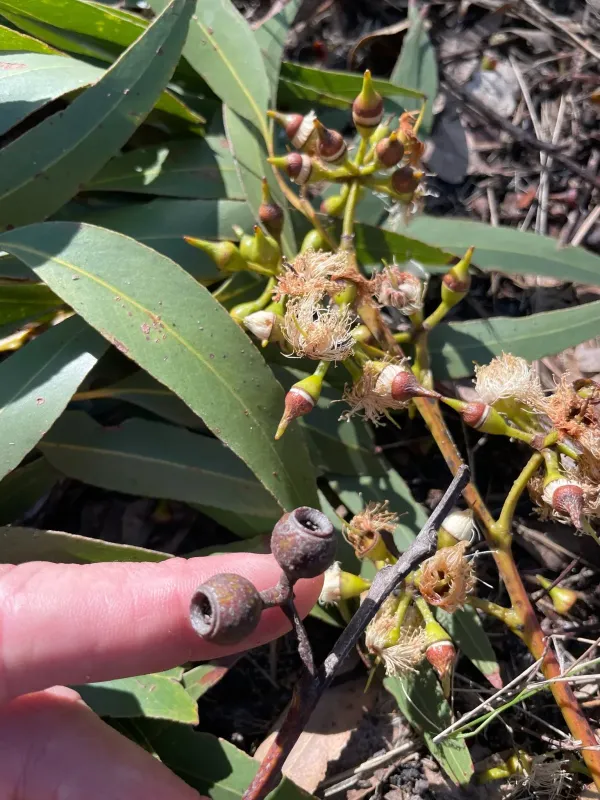
Description
Sowing dates
Sowing of Eucalyptus pilularis is typically performed in well-prepared nursery beds or containers, using seeds that require a consistent temperature of 20°C to germinate effectively.
In forest management, seeds should be sown in early spring to take advantage of favorable growing conditions before the onset of extreme summer heat.
Seedlings are nurtured until they develop a robust root system, usually within a period of 4 to 6 months, before they are deemed ready for field planting.
Planting density is crucial; for timber production, a spacing of 3 by 3 meters is standard to allow sufficient crown development while minimizing competition for light.
Post-planting care involves maintaining a clean field, free from competing weeds, to ensure that the young trees can establish themselves without nutritional stress.
Growing requirements
Eucalyptus pilularis, commonly known as Blackbutt, is a dominant timber species in the Myrtaceae family, native to the coastal regions of eastern Australia.
The tree thrives in deep, fertile, and well-drained soils, particularly loam and sandy loam textures, which facilitate deep root penetration and healthy growth.
It is a light-demanding species, meaning it requires full sun exposure to maintain its rapid growth rate and ensure a straight, high-quality timber bole.
The species prefers a temperate to subtropical climate, showing sensitivity to heavy frosts, which can significantly damage young foliage and stem tissue.
While mature trees exhibit some drought tolerance, consistent rainfall or adequate irrigation during the first three years of life is essential for maximizing growth potential.
Yield
Blackbutt is highly valued in the industry for its exceptional hardwood timber, which is renowned for its strength, durability, and resistance to termite attacks.
Industrial yields from well-managed plantations are impressive, often reaching a high volume of wood per hectare due to the species' inherently rapid growth rates.
The timber is versatile and widely utilized for structural applications, flooring, cladding, and furniture manufacturing, making it a premium product in the global market.
Beyond structural wood, the tree serves as a source for pulp and paper production, adding significant economic value to the cultivation of this species.
Sustainable harvesting cycles for this species typically range from 25 to 40 years, depending on the management objective and desired timber dimensions.
Main diseases and pests
Plantations of E. pilularis face pressure from various insect pests, such as leaf-eating beetles and psyllids, which can cause significant defoliation if left untreated.
Fungal pathogens causing leaf spots or collar rot represent a major threat, particularly in poorly drained sites where high humidity promotes disease development.
Nutrient deficiencies, particularly in degraded or sandy soils, can manifest as chlorosis, necessitating the application of balanced NPK fertilizers to sustain growth.
Fire risk is an inherent factor in eucalypt plantations, requiring strict management practices including the maintenance of firebreaks and the removal of hazardous debris.
Integrated pest management strategies, involving regular monitoring and the use of targeted biological controls, are vital for maintaining long-term forest health.
Harvesting
The harvesting process involves systematic felling of mature stands, ensuring that the operation adheres to environmental guidelines to protect soil and water quality.
Technical maturity of the wood is assessed based on target diameter at breast height (DBH) and the absence of heartwood defects in the selected specimens.
Following harvest, stump management is often utilized, as the tree possesses the natural ability to coppice, allowing for secondary growth cycles without replanting.
Logs are graded and sorted immediately after extraction to maximize their economic value according to their intended final use, whether for structural or decorative purposes.
Efficient logistics and transport are critical components of the harvest phase, ensuring that timber is moved quickly to processing facilities to prevent material degradation.