
Eucalyptus caesia
Eucalyptus caesia Benth.
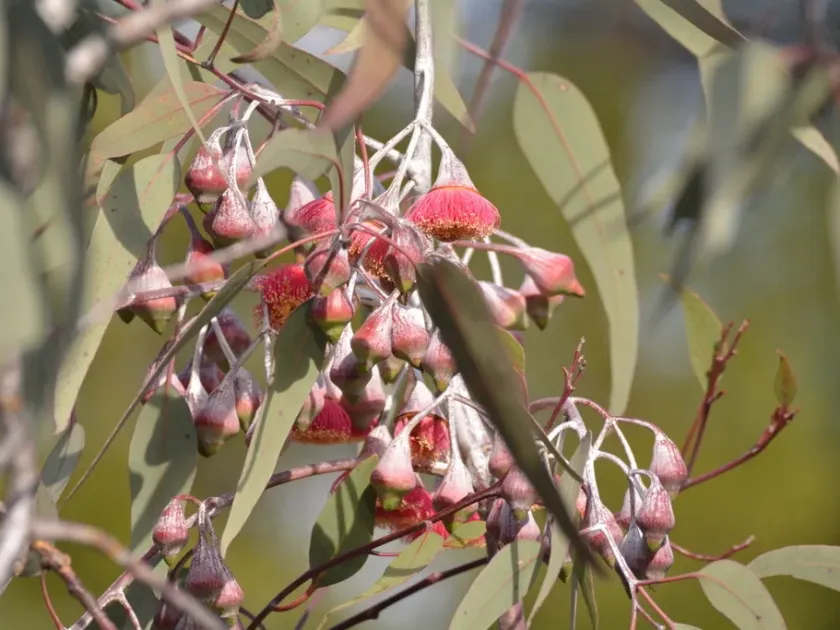
Description
Sowing dates
Propagation of Eucalyptus caesia is primarily achieved through seeds sown in early spring. The seeds require a period of cold stratification to break dormancy and ensure uniform germination.
Use a light, sterile seed-starting mix composed of peat and perlite to provide excellent drainage. Sow the seeds on the surface and cover them only with a very fine layer of sand.
Maintain consistent moisture and a temperature range of 20°C to 22°C. Germination typically occurs within three to four weeks, depending on the freshness of the seed batch.
Once seedlings have developed their first true leaves, they should be transplanted into individual containers. Handle them with extreme care to avoid damaging the taproot.
Acclimatize the young plants slowly to outdoor conditions. Sudden exposure to intense direct sunlight or strong winds can cause foliage burn in young specimens.
Growing requirements
Eucalyptus caesia, often known as Gungurru, belongs to the Myrtaceae family and is endemic to Western Australia. It thrives in arid environments and requires full sun exposure.
Soil requirements are strict: the plant needs well-draining, sandy, or gravelly soils. It cannot tolerate heavy, waterlogged soils, which lead to rapid root decay.
This species is highly drought-tolerant once established. Irrigation should be deep but infrequent, allowing the top layer of soil to dry out completely between waterings.
Temperature management is crucial for container-grown plants. They should be moved to a frost-free, well-ventilated area during winter to prevent cold damage to the foliage.
Fertilization should be handled with care. Use a low-phosphorus fertilizer specifically formulated for native Australian plants, as high phosphorus levels can be toxic to the roots.
Main diseases and pests
Root rot is the most common threat, usually triggered by poor drainage or overwatering. Maintaining a proper soil aeration is the best preventive measure against this issue.
Pests such as scale insects can infest the stems and leaves, extracting plant sap. These are often controlled by systemic insecticides or physical removal with horticultural oils.
Spider mites are common in indoor settings or greenhouses where air humidity is low. Regular misting and proper airflow help mitigate the risk of mite infestations.
Fungal leaf spots can occur in highly humid or stagnant air conditions. Improving ventilation and spacing between plants are essential to reduce the risk of pathogen spread.
Monitoring for signs of chlorosis can indicate issues with soil pH or nutrient deficiencies, which must be corrected promptly to maintain the tree's health and appearance.