
Cabbage gum
Eucalyptus amplifolia Naudin
Description
Growing requirements
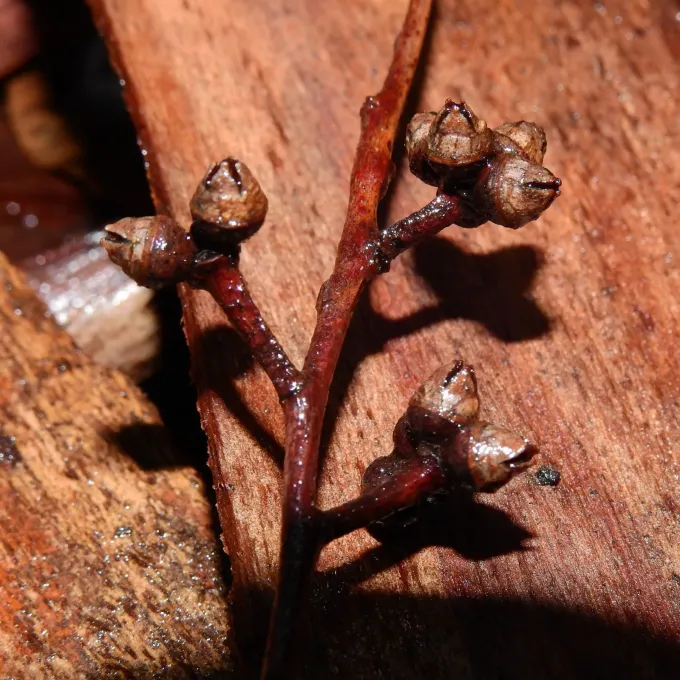
Eucalyptus amplifolia, commonly known as Cabbage gum, belongs to the Myrtaceae family. It is a robust evergreen tree, characterized by its smooth, shedding bark and broad, lanceolate foliage that distinguishes it from many other narrow-leaved eucalyptus species found in the region.
The tree originates from the eastern parts of Australia, specifically New South Wales and Queensland. It naturally thrives in moist, fertile sites, frequently inhabiting alluvial flats and riverbanks where high nutrient availability and water access promote rapid vertical growth.
Climate requirements for this species are strictly tied to temperate and subtropical zones. The tree is sensitive to hard frosts and requires a stable, mild environment to reach its full potential, making it unsuitable for high-altitude or arid inland climates without special protection.
Optimal soil conditions include deep, well-draining loamy or sandy soils. While the species is water-demanding, it requires a balance; stagnant water leads to root asphyxiation, so choosing sites with natural drainage or creating artificial slopes is critical for plantation success.
Agronomic management involves standard nursery practices including propagation by seeds or cuttings, followed by planting in well-prepared rows. The tree is primarily utilized for timber, production of eucalyptus oil, and increasingly as a fast-growing species for reforestation projects.
Main diseases and pests
Pest threats to Eucalyptus amplifolia typically include defoliating beetles and leaf-miners that feed on the foliage, which can substantially reduce the photosynthetic capacity of young, vulnerable saplings in a nursery environment.
Fungal diseases are a significant concern, particularly in high-humidity areas. Leaf spot and root rot pathogens can spread rapidly if tree spacing is insufficient, hindering the airflow necessary to keep the canopy dry and healthy.
Scale insects and aphids can also cause stress by sap-feeding, which often leads to the development of sooty mold, a byproduct of their secretions that covers the leaves and blocks light absorption.
To manage these threats, agronomists implement integrated pest management (IPM) strategies, which prioritize regular monitoring, early detection, and the use of eco-friendly biological controls over harsh chemical interventions.
Sanitation is key; removing infested biomass and maintaining optimal soil health ensures that the trees possess the natural vigor required to withstand moderate attacks from indigenous insect populations.