
Blue Mallee
Eucalyptus polybractea R. T. Baker
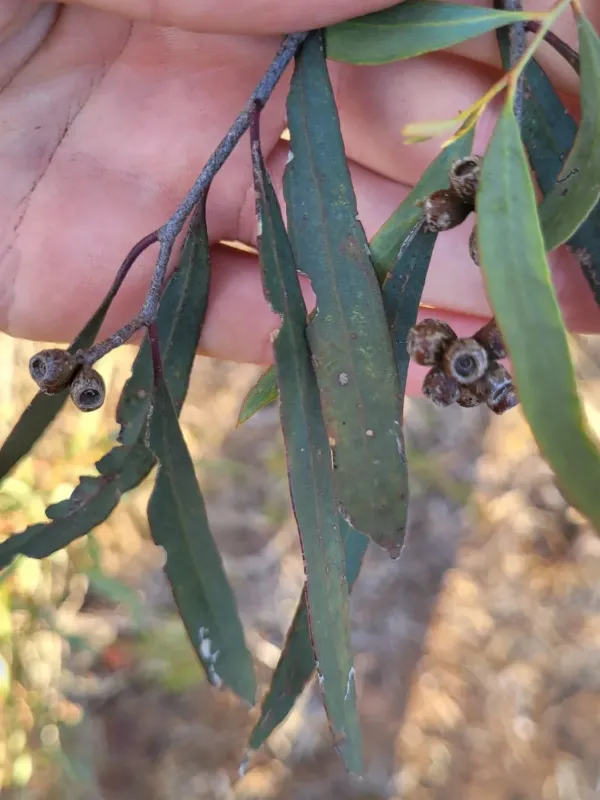
Description
Sowing dates
The propagation of Eucalyptus polybractea is primarily conducted via nursery-grown seedlings to ensure robust development before transplanting into the field.
Seeds require a carefully controlled environment with temperatures between 20 and 25 degrees Celsius to achieve optimal germination rates during the early stages.
After reaching a sufficient size and developing a strong root system, the seedlings are transferred to their permanent locations during the favorable spring months.
Proper spacing between plants is crucial to avoid overcrowding, which can lead to competition for nutrients and inhibit the development of side branches.
Initial irrigation is vital to establish the young plants, as they are most vulnerable to environmental stress during the first few weeks after field planting.
Growing requirements
Blue Mallee thrives in well-drained, sandy, or loamy soils and exhibits a low tolerance for waterlogged conditions or sites with excessive lime content.
This species is highly photophilous and requires full sun exposure to produce maximum quantities of foliage and high-quality essential oils.
While the plant is moderately drought-tolerant, consistent soil moisture during the active growing season is recommended to maximize overall biomass production.
The climate should be temperate, as the species is susceptible to severe frost damage which can severely restrict its growth or result in plant mortality.
Soil nutrient management should focus on maintaining a slightly acidic to neutral pH, which is ideal for the mineral uptake required for essential oil synthesis.
Yield
The primary economic output of a Blue Mallee plantation is its high-cineole essential oil, which is highly sought after in the pharmaceutical industry.
Biomass yield can be significantly enhanced through regular coppicing, a practice that encourages the growth of new, oil-rich shoots from the stump.
Proper management of the plantation cycle allows for multiple harvests per year, ensuring a steady supply of raw material for the distillation process.
With correct agronomic practices, the species shows remarkable resilience and regenerative capacity, making it a sustainable long-term agricultural choice.
The yield of essential oil typically ranges from 2 to 3 percent of the fresh leaf weight, depending on the harvest season and extraction technology used.
Main diseases and pests
Fungal leaf spots represent a common threat to the health of the plants, particularly in environments with high humidity and poor air circulation.
Root system issues can arise from improper drainage, making the plants more susceptible to pathogens that thrive in saturated soil environments.
Various insect pests, including leaf-eating beetles and weevils, can diminish foliage quality and potentially interfere with the oil yield capacity.
Integrated pest management strategies, focusing on biological controls and regular monitoring, are effective in maintaining plantation health.
Sanitation practices, such as the removal of dead or diseased branches, are essential to prevent the spread of infections across the plantation area.
Harvesting
Harvesting is performed through mechanical harvesting equipment that cuts the aerial biomass at a height that promotes rapid regrowth from the base.
Efficiency in the harvesting process is critical, as raw material must be transported to distillation facilities promptly to prevent the loss of volatile compounds.
Steam distillation is the standard method used to extract the essential oil, ensuring the final product meets high pharmaceutical standards for cineole content.
The timing of the harvest is usually coordinated with the peak periods of oil accumulation within the leaves to maximize the yield of the volatile oil.
After the harvest, the plantation requires a period of recovery during which fertilization and irrigation support the regeneration of the vegetative canopy.