
Eucalyptus conica
Eucalyptus conica
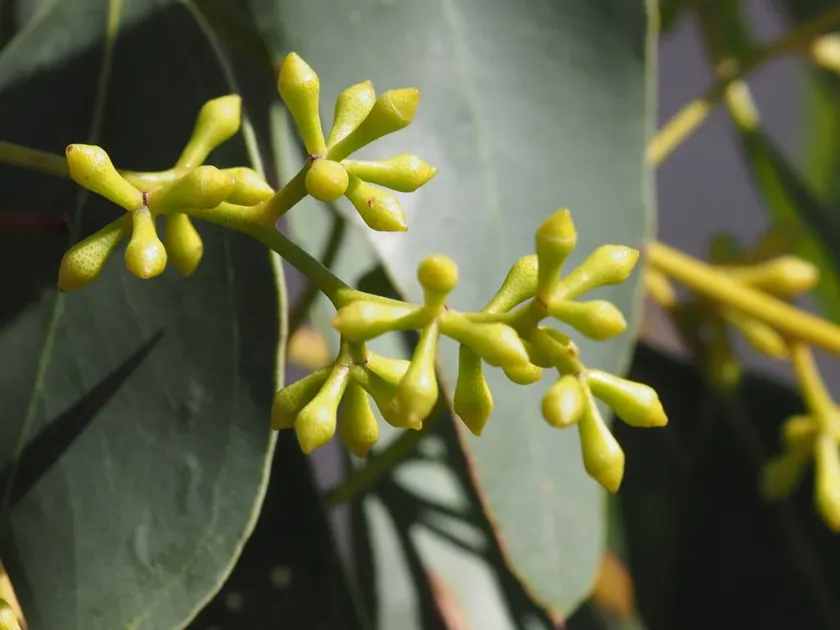
Description
Growing requirements
Eucalyptus conica, belonging to the Myrtaceae family, is a robust tree species native to the Australian continent. It is widely recognized for its conical fruit shape and rapid growth habit in favorable conditions.
The species thrives in warm, temperate to subtropical climates. It requires full sun exposure and is highly sensitive to severe frost, which can cause significant damage to young shoots and leaves during the winter months.
Soil requirements involve well-drained, nutrient-rich substrates. While the plant can tolerate various soil types, it performs best in deep, loam-based soils with a slightly acidic to neutral pH level.
Botanically, this tree is characterized by its evergreen foliage and significant height potential. It is often managed in plantation settings to balance its fast growth rate with the quality of the timber produced.
Commercially, Eucalyptus conica is valued for two primary outputs: high-quality structural timber and essential oils extracted from its leaves, which are used globally in cosmetic and pharmaceutical applications.
Main diseases and pests
The primary threats to Eucalyptus conica include defoliating insects such as beetles and caterpillars, which can cause significant damage to the canopy and reduce the tree's photosynthetic efficiency.
Root rot fungi pose a severe risk in areas with poor drainage or stagnant water. These pathogens thrive in waterlogged conditions and can lead to the rapid decline and death of established tree stands.
Leaf spot diseases are also common in high-humidity environments, leading to premature leaf drop and increased susceptibility to other stressors, ultimately impacting the economic yield of the crop.
Pest management strategies often rely on silvicultural practices, such as maintaining appropriate tree spacing to facilitate air circulation and minimize the spread of moisture-related fungal spores.
Regular monitoring of young plantations is essential, as sap-sucking insects can stunt growth early on. Applying integrated pest management (IPM) ensures both the health of the trees and environmental safety.