
Gabiroba
Campomanesia adamantium
Description
Sowing dates
Propagation of Campomanesia adamantium is primarily done through seeds. Seeds should be extracted from ripe fruits, cleaned of pulp, and sown in a nutrient-rich substrate immediately after harvesting, as they lose viability very quickly.
The optimal time for sowing in its native environment is the beginning of the rainy season, which provides sufficient humidity for germination. In nursery conditions, seeds require a constant temperature between 25-28 degrees Celsius.
Sprouting is often uneven and can take anywhere from 30 to 60 days. Initial seedlings are sensitive to direct sunlight and soil desiccation, so providing shade is essential during the early stages.
Seedlings should be pricked out into individual containers once they develop 3-4 pairs of true leaves. The plant is known for its slow growth in the first few years, which requires patience from the grower.
Transplanting to the final outdoor location is recommended once the seedling reaches a height of 40-50 centimeters, which usually occurs by the second or third year of life.
Growing requirements
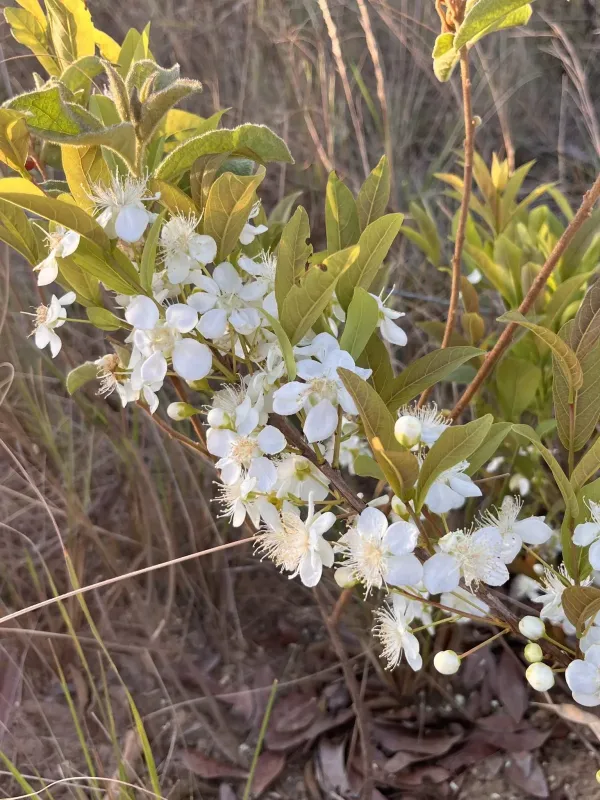
Campomanesia adamantium, commonly known as gabiroba, belongs to the Myrtaceae family. It is a woody plant endemic to the Cerrado regions of Brazil.
The crop prefers a tropical climate with distinct dry and wet seasons. Adult specimens are quite drought-tolerant but require regular irrigation to ensure optimal fruit production.
Soil requirements include excellent drainage and a pH that ranges from neutral to slightly acidic. The plant is highly sensitive to waterlogging in the root zone, which can lead to root rot.
Plants should be placed in well-lit areas, as deep shade promotes legginess and significantly reduces fruit yield. It is highly adaptable to the poor, nutrient-deficient soils typical of Brazilian savannas.
In temperate regions, cultivation is only possible in greenhouses or conservatories, as the plant is extremely sensitive to freezing temperatures and frost.
Yield
The economic value of Campomanesia lies in its aromatic fruits, which are consumed fresh or used to produce juices, jams, and liqueurs.
The fruit is rich in Vitamin C, antioxidants, and essential oils, making it a valuable source of nutrition and a subject of interest for pharmacological research.
Beyond the fruit, the leaves are also used in traditional medicine for their anti-inflammatory properties and to treat gastrointestinal distress.
Yield depends on the age of the tree and the quality of care; a mature tree can produce several kilograms of fruit per season. Fruit-bearing usually commences between the 4th and 6th year after planting.
Commercial farming of this species is currently in the development stage, with ongoing research focusing on selecting larger-fruited varieties with better shelf life.
Main diseases and pests
Major pests of the gabiroba include insects that attack young shoots and fruit ovaries, such as certain types of moths and aphids. Regular field monitoring is essential to minimize crop losses.
Diseases are typically caused by poor cultivation practices, particularly excessive watering or poor soil aeration. Fungal root infections represent the greatest threat to young specimens.
Prevention involves maintaining proper tree spacing to ensure good air circulation, preventing moisture accumulation on the foliage.
Using balanced organic fertilizers helps strengthen the plant's natural immunity against common pathogens.
If a pest infestation occurs, biological control methods are preferred, as chemical treatments may affect the quality and safety of the harvest.
Harvesting
The harvest season spans from December through February. It is crucial to pick fruits at peak biological maturity when they develop a distinct yellowish-green hue and characteristic aroma.
Overripe fruits tend to drop quickly, so installing protective nets under the canopy during the harvest window is highly recommended to preserve the fruit.
Fruit is harvested manually. It has a short shelf life and should be consumed or processed within 2-3 days after harvesting.
Careful handling during transport is necessary, as the delicate skin is prone to bruising and browning.
Storage at low temperatures (around 5 degrees Celsius) can slightly extend freshness, though prompt processing is the best way to maintain its nutritional profile.