
Campomanesia sessiliflora
Campomanesia sessiliflora
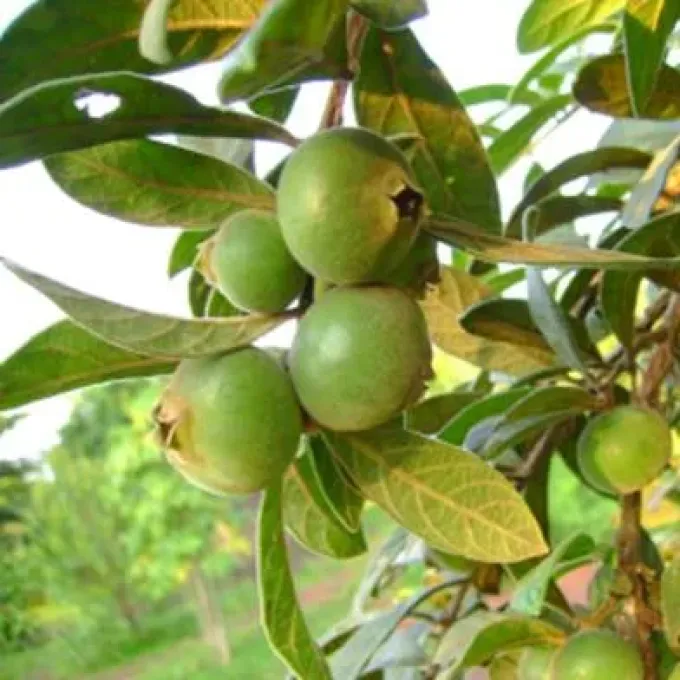
Description
Sowing dates
Propagation of Campomanesia sessiliflora is primarily achieved through seeds. The seeds possess moderate viability, so it is highly recommended to sow them immediately after extraction from the fruit into a light, well-draining substrate.
The optimal time for sowing in tropical climates is at the beginning of the rainy season, which ensures natural soil moisture. When cultivating in containers or greenhouses, it is essential to maintain a substrate temperature of 22–25 degrees Celsius for uniform germination.
Seeds should be sown at a depth of no more than 1–2 centimeters to avoid hindering the seedling's emergence. The first shoots typically appear within 3–6 weeks, after which the seedlings must be protected from direct, intense sunlight.
Once the seedlings reach a height of 15–20 centimeters, they can be transplanted to their permanent location or into larger individual pots. Care should be taken during transplantation to avoid damaging the delicate root system of the young plant.
In commercial conditions, grafting of selected varieties onto seedling rootstocks is also practiced, which allows for the preservation of the superior flavor and quality traits of specific breeding lines of the crop.
Growing requirements
Campomanesia sessiliflora belongs to the Myrtaceae family and is a heat-loving plant. It develops best in humid tropical and subtropical climates and should be protected from areas experiencing severe frosts.
The plant prefers sunny, open areas but can tolerate light shading during its early years of growth. Intense illumination is a key factor for the development of numerous flower buds and subsequent fruit production.
The crop is quite demanding regarding soil conditions: it grows best in deep, fertile loams with a neutral or slightly acidic pH. A critical requirement is excellent drainage, as the root system is sensitive to waterlogging.
During dry periods, the plant requires regular watering, especially during the phase of active shoot growth and fruit set. In its natural habitat, it demonstrates some resistance to short-term moisture deficits thanks to a well-developed root system.
For garden cultivation, it is recommended to apply organic fertilizers in the root zone annually to stimulate vegetative growth and improve the plant's resistance to environmental stress factors.
Yield
The yield of Campomanesia sessiliflora directly depends on the age of the tree and the growing conditions. Mature, well-formed trees are capable of producing an abundant harvest of aromatic fruits, which are prized for their unique flavor and rich vitamin content.
The fruits, known as gabiroba, are small berries with thin skin and juicy pulp containing several tiny seeds. The fruiting period is extended, allowing for a gradual harvest over several weeks.
Productivity per tree can range from 5 to 15 kilograms per season depending on the quality of agricultural care. Regular sanitary pruning helps improve air circulation in the canopy and increases light penetration, which positively impacts yields.
In terms of usage, the fruits are primarily consumed fresh, but they are also processed into jams, jellies, and juices. Due to their high pectin content, these berries are excellent for home and industrial confectionery production.
The fruits have a limited shelf life after harvest, which necessitates immediate distribution or processing near the harvest site to maintain quality.
Main diseases and pests
Typical diseases for this species include fungal leaf infections caused by excessive humidity and poor canopy ventilation. Among them, leaf spots are most common and require prophylactic treatments with copper-based fungicides.
Regarding pests, scale insects and mealybugs pose the greatest danger, as they suck sap from young shoots and leaves. Their appearance is often associated with microclimate imbalances in greenhouse cultivation.
In natural habitats, the crop may be attacked by fruit flies that damage ripe berries. To minimize losses, timely harvesting and the removal of fallen fruit, which can act as a source of pest propagation, are recommended.
Nematodes affecting the root system can also reduce the overall vitality of the plant, especially in sandy soils. The use of high-quality compost and maintaining soil health help reduce the risk of these pathogens.
Integrated pest management includes agricultural methods such as maintaining proper spacing between trees, regular cleaning of plant debris, and monitoring leaf health during periods of high humidity.
Harvesting
Harvesting the fruit of Campomanesia sessiliflora is done exclusively by hand, as the berries have a delicate texture and are easily damaged by mechanized harvesting methods. It is crucial to pick only fully ripe fruits that exhibit characteristic aroma and color.
The degree of maturity is determined by the change in skin hue and slight softening of the berry upon gentle pressure. Underripe fruits fail to develop necessary sugar levels and are not suitable for long-term storage or processing.
The best time for harvesting is early in the morning when air temperatures are lower, which helps keep the fruit fresh after picking. Harvested produce should be placed in small, ventilated containers in shallow layers.
During picking, one must avoid damaging young twigs, as the fruit buds for the following season are formed in the leaf axils of the current growth. Careful handling is the key to stable tree productivity in the future.
After transport, the harvest should be stored in a cool place, protected from direct sunlight. The recommended temperature for short-term storage is 8–10 degrees Celsius, which slows down the ripening and spoilage processes.