
Campomanesia lineatifolia
Campomanesia lineatifolia
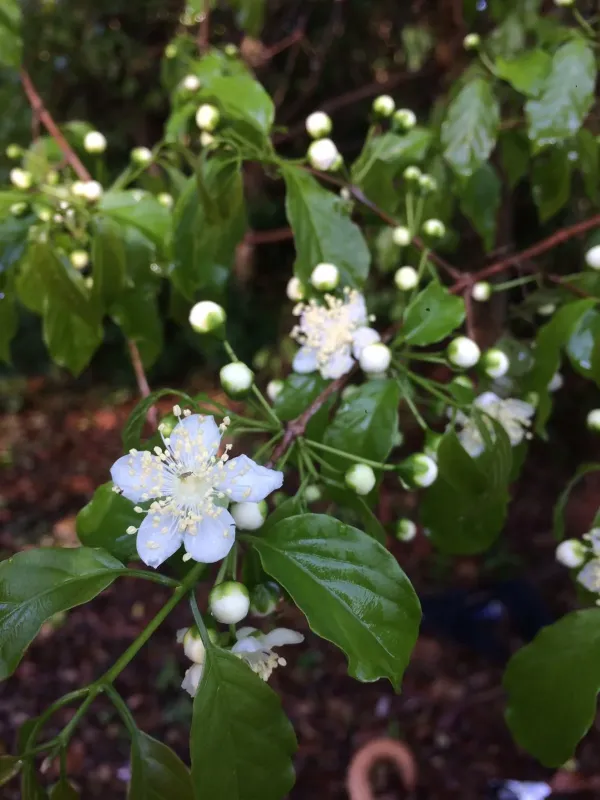
Description
Sowing dates
Campomanesia lineatifolia is typically propagated via seeds, as cutting propagation shows limited success rates. Freshly harvested seeds should be sown in a well-draining, organic-rich substrate, keeping the temperature between 25–28°C to ensure germination.
The germination phase lasts from four to six weeks, depending on soil moisture and ambient conditions. Once the seedlings develop two sets of true leaves, they are moved to individual containers to encourage robust root development before final planting.
The ideal time to transplant seedlings into the field is at the start of the rainy season to provide the necessary moisture for successful establishment. In commercial nurseries, trees are raised in pots until they reach at least 50–60 centimeters in height.
Mulching the base of young plants is essential for maintaining consistent soil moisture levels and preventing the root system from overheating during intense sun exposure.
Young plants benefit from partial shading during their first years of growth, which protects them from direct, scorching sunlight and ensures steady leaf development.
Growing requirements
Belonging to the Myrtaceae family, this species thrives in humid tropical environments. It requires stable warm temperatures throughout the year, ideally between 20–30°C, and is highly susceptible to frost damage.
The soil must be well-drained, as waterlogging can quickly lead to root rot. Fertile, loamy, or sandy-loam soils with a slightly acidic pH are preferred for optimal growth and fruit production.
The tree is light-demanding and requires full sun exposure for vigorous growth and flower bud formation, although it can withstand light side-shading in mature orchards.
An effective nutrient management program includes regular applications of organic matter and balanced NPK fertilizers with added micronutrients. Nitrogen should be applied sparingly during the active spring growth phase.
Protection from high winds is a critical requirement, as the tree branches are brittle, and strong gusts can easily cause flower drop and damage developing fruit clusters.
Yield
Campomanesia lineatifolia generally begins to yield fruit between 6 and 8 years after planting. The total yield per tree is highly dependent on environmental conditions, soil fertility, and consistent irrigation management.
The fruits, known for their unique tangy-sweet flavor and intense aroma, are highly valued in South American markets. They are rich in Vitamin C and are widely used for juices, jams, jellies, and desserts.
Due to the thin skin and soft texture of the ripe fruit, post-harvest shelf life is quite short. This necessitates either local consumption or rapid on-site processing to prevent significant spoilage.
The harvest season is spread over several weeks, allowing farmers to provide a steady supply of fresh produce to local buyers throughout the fruiting period.
Pruning techniques are used to increase yield by promoting the formation of new fruit-bearing twigs and improving sunlight penetration into the central parts of the tree canopy.
Main diseases and pests
The primary threats to this culture are fungal diseases, which thrive in high-humidity environments. Anthracnose is a common pathogen that affects leaves and fruit, causing significant cosmetic damage and rot if left unchecked.
Fruit flies are the most significant insect pest, as they infest ripening fruit and can cause major losses. Strategies such as using protective fruit bags or early harvesting are often employed to manage this threat.
During dry seasons, scale insects and spider mites may infest the trees. Regular phytosanitary monitoring is recommended to identify these pests early and apply biological control agents when necessary.
Improper irrigation management is a leading cause of root-related pathologies. Maintaining a balance of soil moisture is essential for preventing root decay and maintaining overall tree vigor.
Proactive maintenance, including the removal of dead or diseased branches and ensuring adequate air circulation within the canopy, is vital for long-term tree health.
Harvesting
Harvesting is performed by hand to avoid damaging the delicate fruit. Ripeness is indicated by a change in skin color to a deeper hue and the emergence of a strong, characteristic fragrance.
The harvest should be performed daily or every other day during the peak season to ensure that fruits are picked at their prime before they become overripe and susceptible to fermentation.
Shallow containers with soft linings should be used to transport harvested fruit from the field to storage areas, minimizing pressure and bruising on the lower layers of the produce.
Sorting should take place immediately after harvest, removing any damaged fruit to prevent the spread of decay to the remaining healthy produce before they reach the market.
Post-harvest care involves a light sanitary pruning of the harvested branches to encourage regrowth and help the tree recover for the next season.