
Campomanesia guazumifolia
Campomanesia guazumifolia
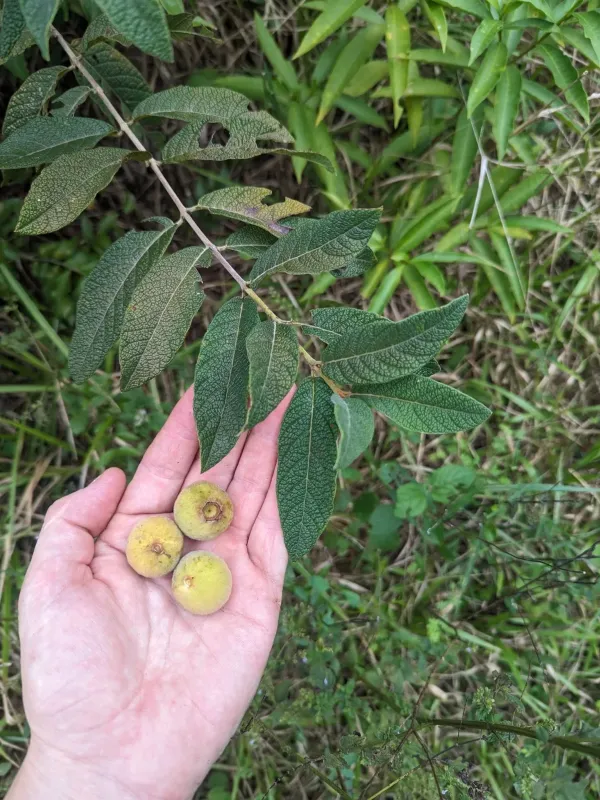
Description
Growing requirements
Campomanesia guazumifolia is an evergreen tree or shrub species belonging to the Myrtaceae family. It is native to the tropical and subtropical regions of South America, specifically thriving in the diverse climates of Brazil, Argentina, and Paraguay.
The plant requires well-drained, fertile soil to prosper. It is particularly sensitive to waterlogging, as stagnant water in the root zone can lead to rapid decay. Neutral to slightly acidic soil conditions are ideal for nutrient uptake and overall root health.
Optimal growth temperatures for this species range from +20°C to +28°C. While it shows some resilience to minor temperature fluctuations, it is essentially a tropical plant that does not tolerate prolonged frost, requiring climate-controlled environments in cooler regions.
Sunlight exposure is crucial for the development of its canopy and fruit production. Although saplings can tolerate partial shade, mature trees require significant direct sunlight to maintain productivity and prevent etiolation of the branches.
Regular fertilization with organic matter is highly recommended to sustain soil fertility. Proper mulching around the base of the trunk helps preserve soil moisture and prevents extreme temperature shifts in the root zone during warmer months.
Yield
The fruit of Campomanesia guazumifolia is a flavorful berry known for its unique profile, blending sweetness with a characteristic tartness common to many Myrtaceae species. It is used in local culinary traditions for juices, jams, and various artisanal desserts.
Yield capacity is dependent on tree maturity and effective pollination. As the tree ages, its productivity increases, provided that it receives consistent irrigation and proper canopy management through regular pruning practices.
Commercial plantations often implement drip irrigation systems to maintain a stable water balance, which is essential for uniform fruit size and high-quality yield. Proper tree spacing is also vital to ensure that every tree receives adequate light and air circulation.
Currently, research into the domestication of the species focuses on selecting high-yield cultivars with larger fruit sizes. This development has the potential to increase the commercial attractiveness of the crop for local and international niche markets.
Harvesting is typically conducted when the fruits reach full maturity. Due to their limited shelf life, the fruits should be processed shortly after picking to maintain their nutrient profile and sensory quality.
Main diseases and pests
Fungal pathogens represent a major threat, particularly in regions with high humidity levels. Leaf spots and root rot are the most common issues arising from poor air circulation within the tree canopy or water-saturated soil conditions.
Pest management focuses on common tropical pests such as scale insects and spider mites. These insects can significantly weaken the plant by feeding on sap and causing premature leaf drop if infestations are not controlled promptly.
Nutrient deficiencies, manifesting as leaf chlorosis, are frequently observed when the soil pH is not properly managed. Applying micronutrients through foliar sprays or soil amendments can correct these imbalances and restore plant vigor.
To mitigate the risks of disease, farmers are encouraged to implement strict sanitary pruning practices. Removing dead or diseased branches prevents the spread of pathogens throughout the orchard during rainy seasons.
Integrated Pest Management (IPM) strategies, which prioritize the use of beneficial insects and biological controls, are highly effective in maintaining the health of Campomanesia guazumifolia plantations while minimizing reliance on harsh synthetic chemicals.