
Campomanesia guaviroba
Campomanesia guaviroba
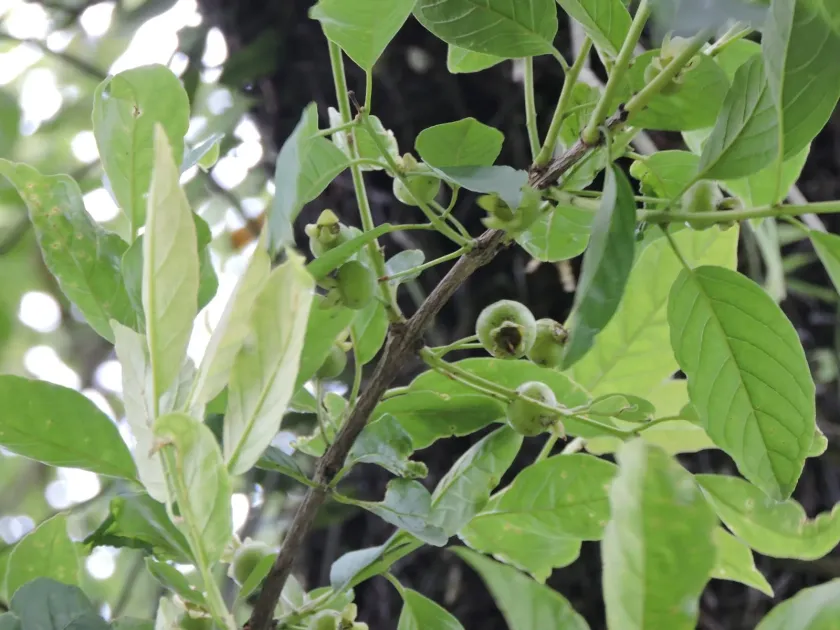
Description
Sowing dates
Propagation of Campomanesia guaviroba is primarily performed through seeds, which maintain high viability when fresh. It is recommended to sow seeds immediately after extraction from the fruit, as they tend to lose vitality rapidly upon drying.
For germination, use a light, well-draining substrate rich in organic matter. The optimal temperature for seedling emergence is between 22 and 25 degrees Celsius, maintaining constant soil moisture.
Seedlings should be pricked out once the second pair of true leaves develops. In both industrial and domestic settings, plants are typically grown in containers until they reach a height of 30–40 centimeters before being transplanted to their permanent location.
Vegetative propagation via cuttings is generally difficult due to low rooting potential, making seed-based methods the standard for establishing new groves.
The ideal time for transplanting saplings into the field is the beginning of the rainy season, allowing the root system to adapt efficiently before the onset of dry conditions.
Growing requirements
Campomanesia guaviroba is a member of the Myrtaceae family, native to regions with tropical and subtropical climates. It thrives in partial shade but reaches peak productivity in well-lit areas protected from strong winds.
The plant requires deep, fertile soils with a neutral or slightly acidic pH. Effective drainage is a critical requirement, as the root system is highly sensitive to waterlogging and decay caused by poor soil aeration.
Regular irrigation is necessary during the early stages of development, although mature trees exhibit moderate tolerance to short periods of drought. Fertilizer application, focused on potassium, supports robust fruit formation.
Minimum temperature for optimal growth should remain above 5 degrees Celsius. While plants may survive minor temperature drops, prolonged frost can cause severe damage to foliage and young shoots.
Periodic sanitary pruning is essential for canopy management, which improves airflow and allows sunlight to reach the inner sections of the tree, reducing disease pressure.
Yield
The yield of Campomanesia guaviroba depends significantly on the age of the tree and management practices. Fruiting typically commences 4 to 6 years after planting under favorable agronomic conditions.
The fruit consists of round, yellowish-green berries with a distinct fragrance and sweet flavor. Maximum yields are achieved by mature, well-structured trees aged 10 years or older.
Strategic pruning and proper water management increase the number of flowers and fruit set, though excessive cropping should be balanced to prevent fruit size reduction.
Harvesting is usually conducted selectively as berries ripen. In a commercial context, produce is either sold at local markets or processed on-site.
Productivity potential can be maximized through intensive planting methods, provided that nutrient management and disease prevention protocols are strictly followed.
Main diseases and pests
Primary threats to this crop include fungal diseases, which are exacerbated by high humidity levels. Leaf spot is a common concern that necessitates timely application of fungicides.
Pests such as scale insects and mealybugs can infest young shoots, extracting sap and weakening the tree, which leads to reduced growth and poor fruit quality.
Root rot is a highly dangerous condition caused by inadequate drainage and overwatering. Affected plants show reduced vigor and can succumb if remedial action is not taken promptly.
For insect management, the use of bio-pesticides or systemic insecticides is recommended when infestation levels cross established economic thresholds.
Proactive prevention, including maintaining correct plant spacing to ensure air circulation, remains the most effective strategy for mitigating disease outbreaks.
Harvesting
Harvesting should occur when the berries reach full biological maturity, indicated by a change in skin color and a soft, yielding texture of the pulp.
Because the fruits are highly perishable and fragile, they must be gathered by hand with care to prevent mechanical bruising and moisture loss.
Post-harvest shelf life is short, requiring processing into jams, juices, or desserts within 24 to 48 hours to maintain quality.
In large-scale operations, fruits are graded by size and maturity before being transported to processing facilities or retail outlets.
Refrigerated storage at temperatures between 2 and 4 degrees Celsius can extend the shelf life to 5–7 days, preserving both the sensory profile and nutritional content.