
Campomanesia reitziana
Campomanesia reitziana
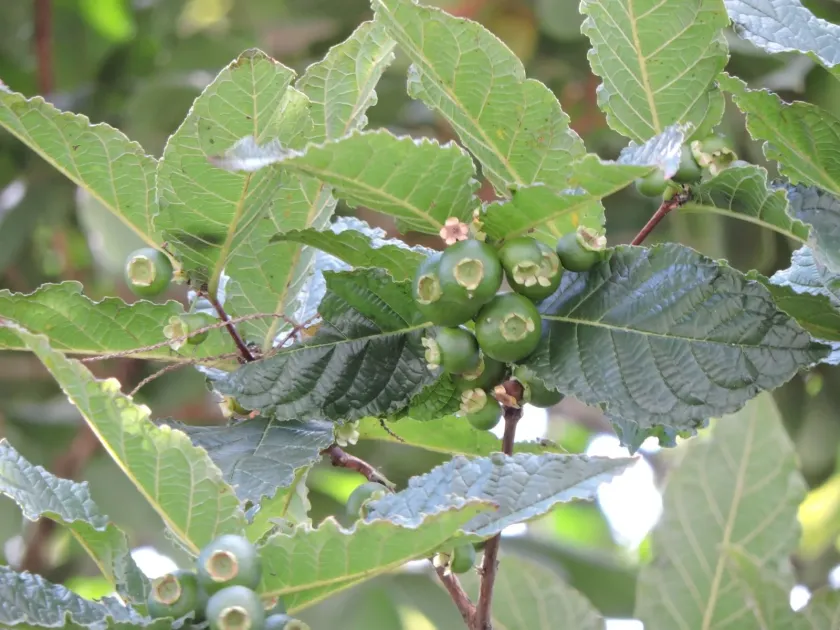
Description
Sowing dates
Campomanesia reitziana, a member of the Myrtaceae family, is propagated primarily by seeds. The seeds should be sown immediately after removal from the fruit, as they are recalcitrant and lose viability rapidly upon drying.
The sowing substrate should be light, well-draining, and rich in organic matter. Seeds are typically sown at a shallow depth to ensure adequate oxygen access for germination.
Maintaining a constant temperature between 22 and 26 degrees Celsius is essential for successful germination. It is advised to cover the pots with a plastic film to create a humid environment.
Germination is often asynchronous, requiring patience from the grower. Young seedlings should be protected from direct sunlight during their early stages of development.
Transplanting to larger pots or a greenhouse should be handled carefully to avoid disturbing the fragile root structure, which is characteristic of the species.
Growing requirements
This crop thrives in warm, humid climates, typical of its native range in South America. It is highly sensitive to frost, which limits its outdoor cultivation to tropical and subtropical regions.
The plant requires well-drained, acidic to neutral soil. A heavy, clay-based soil should be avoided, as it leads to root asphyxiation and subsequent fungal infections.
Adequate sunlight is necessary for the plant to thrive. While it prefers full sun, in very hot environments, it benefits from partial shading during the peak afternoon hours.
Irrigation must be consistent but balanced. During the growing season, the plant needs regular water, whereas in winter, the frequency of watering should be reduced to prevent root rot.
Fertilization with a balanced NPK fertilizer is recommended during the peak growing season to ensure healthy foliage and support potential flowering and fruiting.
Main diseases and pests
Scale insects are among the most common pests affecting Campomanesia species. These sap-sucking insects can be managed through the application of horticultural oils or systemic insecticides.
Root rot, caused by various species of fungi, is a frequent threat when soil drainage is insufficient. Ensuring that pots have drainage holes is a fundamental preventative step.
Spider mites may infest the plant if the air in the growing environment becomes too dry. Regular misting and maintaining optimal humidity levels help deter these pests.
Powdery mildew can occasionally affect the leaves, especially in stagnant or poorly ventilated greenhouse environments. Improving air circulation is crucial for controlling this disease.
Routine monitoring for signs of stress, such as yellowing leaves or stunted growth, allows for early intervention before pest infestations become severe.