
Campomanesia neriiflora
Campomanesia neriiflora
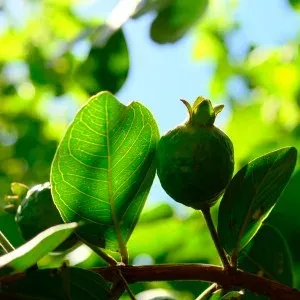
Description
Growing requirements
Campomanesia neriiflora is a distinctive species within the Myrtaceae family. Native to South America, particularly regions within Brazil, this plant thrives in tropical and subtropical climates characterized by high atmospheric humidity.
The plant prefers full sun exposure to semi-shaded positions. Adequate light intensity is essential for the tree's health, as it promotes vigorous vegetative growth and enhances the overall fruit development process.
Cultivation requires well-draining, fertile soils that are slightly acidic. It is critical to ensure that the soil medium does not remain waterlogged, as the root system of Campomanesia species is susceptible to oxygen deprivation.
Agricultural management includes a regular irrigation schedule, adjusting moisture levels based on the season. In non-native environments, the tree should be maintained in greenhouses where temperatures can be kept consistent throughout the year.
Economically, this species is valued for its fruit production potential. While currently localized, it represents an interesting niche crop due to the organoleptic properties of its berries, which are highly regarded by local populations.
Main diseases and pests
The primary agricultural threat to Campomanesia neriiflora involves root rot caused by fungal pathogens such as Phytophthora. These conditions are typically precipitated by poor drainage and excessive soil saturation.
Foliar diseases, including powdery mildew, can occur in environments with poor airflow. Maintaining proper spacing between trees and implementing systematic pruning practices helps in reducing the humidity trapped within the canopy.
Common insect pests include scale insects and spider mites. These pests thrive in dry indoor environments and can cause significant damage by depleting the plant's nutrients, leading to chlorosis and premature leaf drop.
Integrated Pest Management (IPM) strategies are recommended for managing these threats. This includes monitoring for early signs of infestation and utilizing biological control agents before resorting to chemical interventions.
Overall plant health is highly dependent on balanced nutrition. Applying organic matter and slow-release fertilizers helps the plant build natural resistance against environmental stressors and common pathogenic outbreaks.