
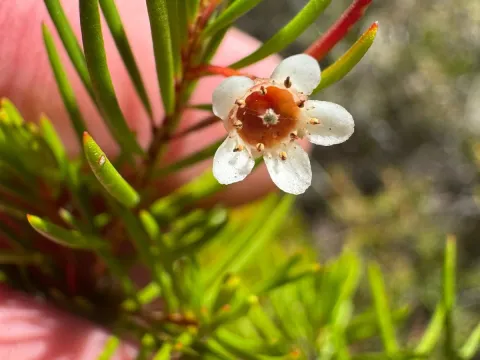
Chamelaucium
Chamelaucium
Chamelaucium, commonly known as waxflower, belongs to the Myrtaceae family. This evergreen shrub is native to Western Australia, where it has adapted to sandy, well-draining soils and Mediterranean climates.
What the section contains

Chamelaucium
In commercial cultivation, this crop thrives in high-light environments. Exposure to direct sunlight is crucial for healthy foliage development and for triggering the production of high-quality flower spikes.
The plant is highly sensitive to soil conditions. It requires extremely porous, well-drained substrates. Waterlogging is the most common cause of root rot, often leading to rapid plant mortality in greenhouse environments.
Regarding climate, Chamelaucium prefers a temperature range of 15°C to 25°C. While it is somewhat drought-tolerant, consistent but light irrigation is needed during peak growth stages to maintain quality.
Fertilization must be managed with care, as waxflower is sensitive to high phosphorus levels. A balanced, low-dosage nutrient program is generally recommended to ensure sustained growth without over-stimulating foliage.
Phytophthora and various root rots are the primary threats to Chamelaucium, typically triggered by overwatering, poor drainage, or contaminated substrates in the nursery.
Pest pressures include spider mites and scale insects. These pests thrive in controlled environment agriculture, especially when airflow is restricted or humidity levels are poorly managed.
Integrated Pest Management (IPM) is essential. Growers should prioritize air circulation and environmental control to minimize the need for chemical interventions that could damage the delicate flowers.
Botrytis, or grey mold, can become an issue during periods of high humidity. Keeping the greenhouse environment dry and ensuring adequate spacing between plants are key preventative measures.
Strict hygiene protocols, including the sterilization of tools and the isolation of new plant material, are necessary to prevent the introduction of pathogens into the main production area.
Waxflower harvest is a precise operation. It is typically conducted when at least 50% of the flowers on the spray have opened, ensuring a vibrant aesthetic for end-users and floral designers.
Clean, sharp secateurs must be used for cutting to ensure smooth wound healing on the mother plant, which reduces the risk of post-harvest infection at the cut site.
Immediately after harvest, stems are sorted by length and quality, then placed in clean water with floral preservatives to maximize the vase life and hydration of the harvested material.
Post-harvest cold chain management is critical. Keeping the product at constant low temperatures (near 2-4°C) dramatically slows respiration, preventing premature aging and wilting during transport.
Efficient handling is vital, as the delicate sprays are susceptible to breakage. Using appropriate packaging and ensuring vertical orientation during shipping preserves the integrity of the flowers.