
Campomanesia aromatica
Campomanesia aromatica
Description
Sowing dates
Propagation of Campomanesia aromatica is primarily achieved through seeds, which should be harvested from fully ripe fruits. The seeds must be washed thoroughly and planted in a well-draining, nutrient-rich potting mix to ensure optimal germination rates.
The ideal time for sowing in tropical climates coincides with the beginning of the rainy season, providing natural humidity for the delicate seedlings. Maintaining a consistent temperature between 22-25 degrees Celsius is crucial for success.
For container cultivation, seeds can be sown year-round if proper artificial lighting and greenhouse conditions are provided. Seeds are typically buried at a depth of about one centimeter to protect them from dehydration.
Seedlings should be transplanted once they develop several true leaves, taking extreme care to preserve the integrity of the root system. Transitioning to permanent locations is best performed during the cooler hours of the day.
While seed propagation is standard, commercial growers may utilize vegetative methods such as grafting or cuttings to preserve the specific traits of high-yielding mother trees and to accelerate the time to fruit production.
Growing requirements
Belonging to the Myrtaceae family, Campomanesia aromatica thrives in tropical and subtropical environments. It requires a warm, humid climate and is extremely sensitive to freezing temperatures, which can severely damage or kill the plant.
The plant prefers fertile, well-draining soils with a slightly acidic to neutral pH. It is essential to avoid sites with waterlogged soil, as the roots are highly susceptible to rot under anaerobic conditions.
Full sun is required for optimal tree development and fruit production, although young saplings benefit from partial shade during the peak heat hours to prevent leaf scorch. As the tree matures, its canopy provides the necessary protection for itself.
Regular irrigation is necessary to maintain soil moisture, particularly during the flowering and fruit-setting phases. Prolonged drought can lead to flower drop and reduced fruit quality or size.
The maintenance of the tree includes pruning, which is essential to keep the canopy open and facilitate airflow. This management technique is vital to reduce the humidity around the leaves and decrease the risk of fungal infections.
Yield
The yield of Campomanesia aromatica depends heavily on the tree's health, local microclimate, and the age of the specimen. Seed-grown trees typically begin producing fruit between 3 to 5 years after planting.
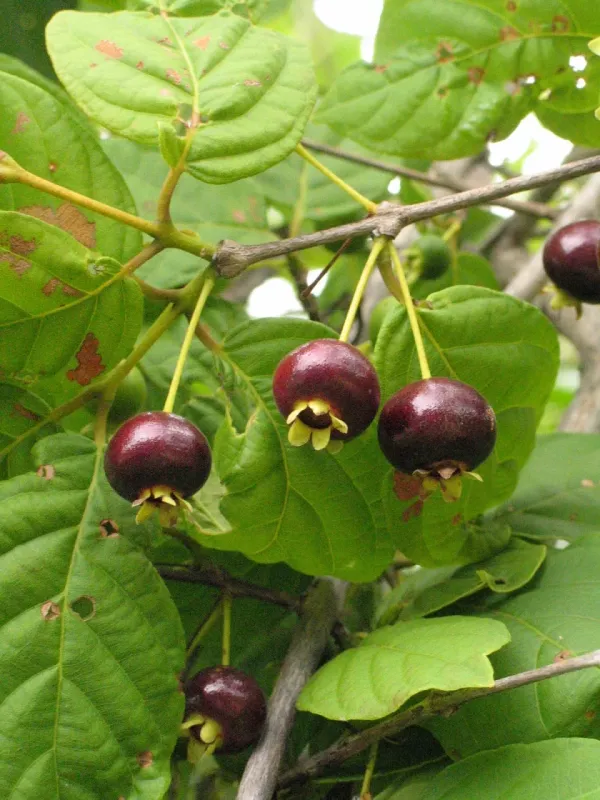
The fruit is a small, round berry with a unique, intense fragrance. When conditions are favorable, an established tree can produce a substantial amount of fruit throughout its peak production season.
Nutrient management is a critical factor in maximizing yield. Regular applications of balanced fertilizers during the growing season ensure the tree has the necessary resources to support fruit development and foliage maintenance.
Pollination is a key yield factor; in areas with few natural pollinators, productivity may be lower. Encouraging local pollinator activity is a beneficial strategy for any orchard managing this species.
Since fruit maturation often happens over a period, multiple harvests per season are common. This allows for a steady supply of produce for local markets or home processing.
Main diseases and pests
Common pests affecting this species include scales and mealybugs, which feed on the sap of leaves and young stems. These infestations can significantly weaken the tree if not treated promptly.
Leaf-eating caterpillars and aphids may also pose threats, especially during the new growth flushes. Regular monitoring of the foliage is necessary to detect these pests before they reach damaging levels.
Fungal diseases, including leaf spots and anthracnose, are significant risks in high-humidity environments where airflow is restricted. Proper spacing between trees is a primary preventive measure.
Root rot is a major issue often caused by poor drainage or overwatering. Maintaining a porous soil structure and avoiding stagnant water is the most effective way to manage root health.
Integrated Pest Management strategies, including the use of horticultural oils and promoting natural predators, are recommended over heavy chemical reliance to ensure the safety of the fruit and the ecosystem.
Harvesting
Harvesting should be done by hand to ensure the delicate skin of the fruit remains undamaged. Ripe fruits are characterized by a vibrant change in skin color and a strong, distinctive aroma.
The fruit is highly perishable and does not hold its quality long after harvesting. Therefore, it is important to process or consume the fruit shortly after it is picked to fully appreciate its organoleptic properties.
For industrial or commercial use, cold storage or immediate processing into pulps, juices, or jams is common. This helps to preserve the characteristic scent and taste of the berries.
Care must be taken during the harvesting process to avoid bruising. Using cushioned collection containers can help maintain the quality and aesthetic appeal of the fruits during transport.
Apart from culinary uses, the nutritional profile of the fruit, which includes various antioxidants, makes it a valuable commodity in the health food and functional food ingredient industries.