
Campomanesia pubescens
Campomanesia pubescens
Description
Growing requirements
Campomanesia pubescens, widely known as gabiroba, is a species of fruit tree belonging to the Myrtaceae family. Native to the Cerrado biome in Brazil, it thrives in environments characterized by nutrient-poor, acidic, and well-drained soils, displaying remarkable resilience to challenging soil profiles.
The climatic preferences of this species are centered around warm tropical and subtropical conditions. While the plant can withstand periods of seasonal drought, its productivity is significantly linked to adequate water availability during the critical phases of flowering and fruit set.
Cultivation requires careful site selection, particularly focusing on soil drainage to prevent root asphyxiation. The species develops a complex root system that efficiently extracts nutrients from low-fertility substrates, making it a sustainable choice for agroforestry systems in its native range.
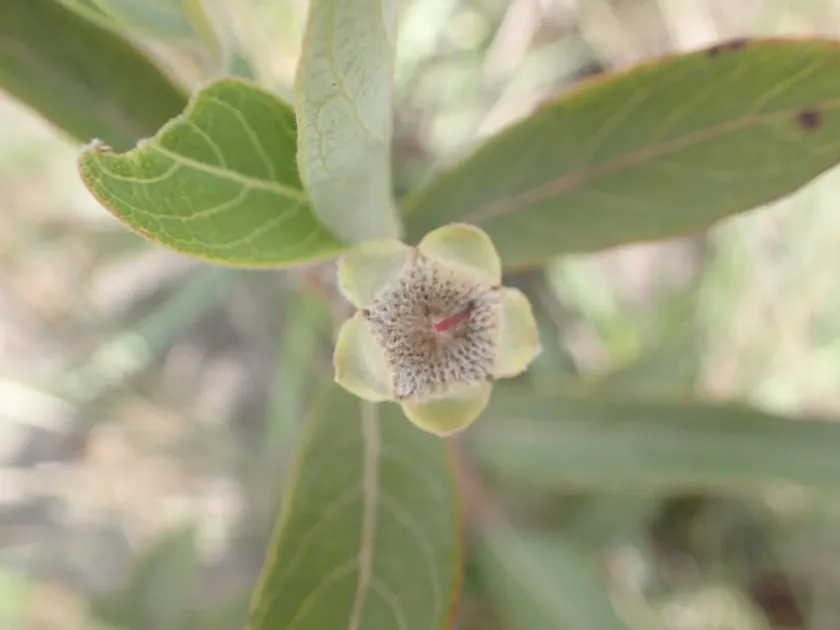
Botanically, the tree is recognized for its pubescent leaves and small, fragrant flowers that appear periodically throughout the year. The fruit is a small, round berry with a unique flavor profile that is highly valued in local markets for direct consumption and processing into jams or juices.
From an agricultural standpoint, the management of this crop involves long-term planning, as it requires protection from severe frost during its juvenile stages. Proper pruning practices are essential to maintain canopy density and ensure light penetration, which directly impacts fruit quality.
Main diseases and pests
Pest management for Campomanesia pubescens primarily targets fruit-piercing insects and larvae that damage the developing berries. Effective integrated pest management (IPM) strategies, including pheromone traps and biological controls, are essential to maintain high-quality yield without excessive pesticide use.
Pathogen threats often involve fungal infections that thrive in high-humidity microclimates. Managing canopy aeration through systematic thinning and maintaining orchard hygiene by removing infested debris are critical components of maintaining a healthy and productive stand of these trees.