
Campomanesia aurea
Campomanesia aurea
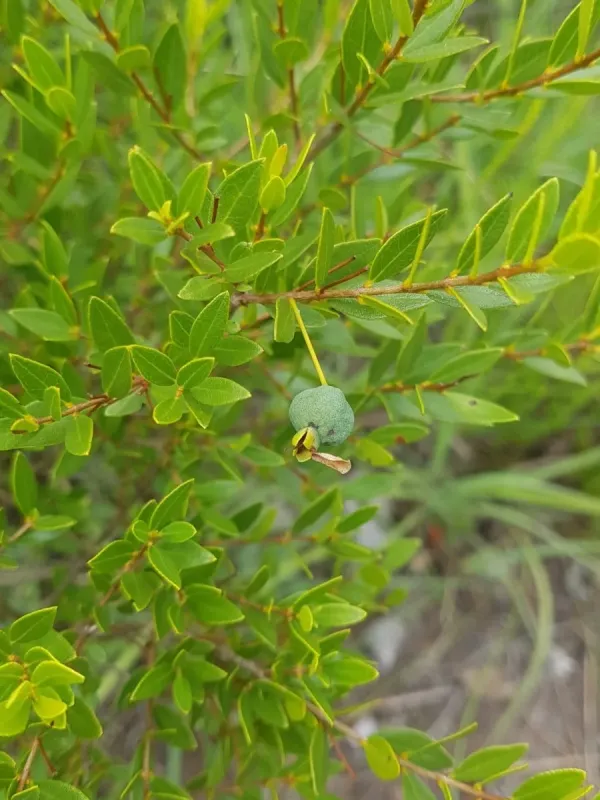
Description
Growing requirements
Campomanesia aurea is a notable plant belonging to the Myrtaceae family, native to South American ecosystems. This shrub or small tree is recognized for its yellow fruits, which are highly regarded for their flavor profile and culinary potential in local markets.
To thrive, the plant requires a location with full sun exposure and well-draining soil. It demonstrates moderate adaptability to different soil types, although fertile, slightly acidic sandy-loam soils are ideal for achieving maximum vegetative growth and fruit production.
Regarding climate, this species is suited for tropical and subtropical zones. It does not tolerate prolonged frost; therefore, commercial cultivation is restricted to areas where temperatures remain well above freezing throughout the growing season.
Cultural practices include consistent watering during the fruit development stage. Irrigation should be managed to prevent waterlogging, as the root system of Campomanesia aurea is sensitive to oxygen deprivation caused by excessive soil moisture.
The economic value of this crop is increasing as consumers seek out rare and nutritious tropical fruits. It is primarily utilized in artisanal food processing for jellies, jams, and juices, making it a niche but profitable crop for sustainable farming operations.
Main diseases and pests
The main threats to the plant health include fungal leaf spots and root pathogens encouraged by poor drainage. Establishing proper spacing between plants is essential to ensure adequate airflow and reduce the humidity around the foliage.
Insects such as fruit flies and various sap-sucking pests can cause significant damage to the harvest if not managed properly. Regular monitoring and the application of natural pest deterrents are standard practices in successful orchards.
Harvesting
The harvest period is determined by the color and texture of the fruit, which turns golden yellow upon reaching full maturity. The fruit should be plucked gently to avoid crushing, as they are quite soft and delicate when ripe.
Post-harvest management involves rapid cooling of the produce to extend shelf life. Due to their perishable nature, the fruits are typically processed shortly after being harvested or sold in local markets to ensure freshness for the consumer.