
Campomanesia xanthocarpa
Campomanesia xanthocarpa
Description
Sowing dates
Propagation of Campomanesia xanthocarpa is primarily achieved through seeds. Because the seeds lose viability quickly, they should be extracted from mature fruits and sown immediately in a light, well-draining substrate.
Optimal germination occurs in a humid environment with temperatures maintained between 25 and 28 degrees Celsius. Seedbeds should be protected from direct sunlight to prevent seedling desiccation.
Once seedlings develop their first true leaves, they can be transplanted into individual containers. Proper root care during this stage is crucial for ensuring the future health of the tree.
Field planting is typically done once the saplings reach a height of at least 40-50 centimeters. Soil should be prepared with organic matter to encourage early root development.
Spacing between trees is essential to ensure adequate air circulation and light penetration, which are critical factors for achieving healthy plant growth and future yields.
Growing requirements
Campomanesia xanthocarpa, popularly known as gabiroba, is a member of the Myrtaceae family. It is a perennial evergreen tree native to the tropical regions of South America.
The plant thrives in tropical and subtropical climates, preferring regions with high moisture levels. It can adapt to various soil conditions but performs best in well-drained, fertile loams.
Temperature management is important for this species, as it prefers warm weather and is sensitive to heavy frosts. Sheltered locations are ideal for younger trees during their first years of life.
Watering requirements are consistent throughout the growing season. The soil should remain moist but never waterlogged to avoid the development of root rot diseases.
Periodic fertilization with balanced nutrients helps sustain vigorous vegetative growth and enhances the plant's natural resistance to environmental stress.
Yield
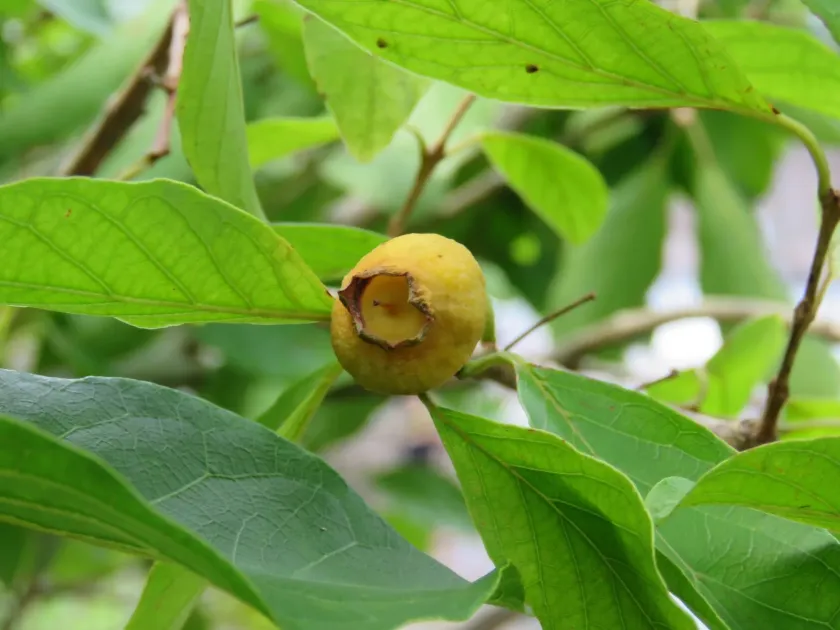
The fruits of Campomanesia xanthocarpa are small, globose berries with a vibrant yellow color and a distinctively sweet, aromatic flavor. They are highly valued for their nutritional content.
Yields typically begin when the trees reach 3 to 4 years of age. Under optimal management, a single tree can produce a significant amount of fruit during the peak harvest season.
Commercially, the fruit is processed into jellies, ice creams, and juices. Its unique sensory profile makes it a highly sought-after crop in regional specialty markets.
Pruning is essential to manage the tree size and encourage the development of lateral branches, which ultimately increases the total harvest surface area.
The cultural importance of the fruit continues to grow, driving further interest in sustainable orchard management practices for this specific Myrtaceae species.
Main diseases and pests
Common pests affecting this crop include scale insects and various aphid species that feed on tender young leaves, potentially causing stunted growth.
Fungal pathogens can be problematic in areas with poor airflow and excessive humidity. Maintaining proper tree spacing is a primary defense against these types of infections.
Fruit flies present a risk to the ripening harvest. Growers often employ protective nets or traps to minimize losses and ensure the quality of the marketable fruit.
Regular sanitation of the orchard, including the removal of dead branches and fallen fruits, helps reduce the reservoir of pests and diseases.
Integrated pest management strategies focusing on biological control are highly recommended to maintain the ecological balance within the planting area.
Harvesting
Harvesting is performed by hand when the fruits turn a deep yellow and become slightly soft to the touch. Due to their delicate texture, careful handling is mandatory to prevent bruising.
Fruits intended for market should be picked at the firm-ripe stage to withstand transport. They are known for their short shelf life, requiring efficient supply chain logistics.
Sorting should occur directly after harvest to separate high-quality fruits from those showing signs of damage or over-ripening.
Post-harvest storage in cool, ventilated conditions is necessary to maintain the freshness and flavor of the berries for as long as possible.
Proper harvest timing maximizes both fruit quality and the tree's recovery period, ensuring consistent production cycles for subsequent growing seasons.