
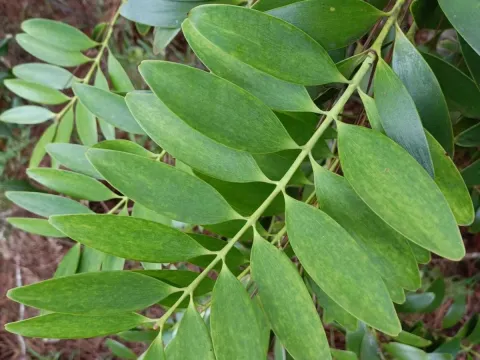
Agathis lanceolata
Agathis lanceolata
Propagation of Agathis lanceolata is primarily achieved through seeds, which are known to have a very short period of viability. Successful germination requires fresh seeds sown into a specialized, well-draining media shortly after harvest.
What the section contains
Agathis lanceolata
The sowing environment must maintain high humidity and a consistent temperature range, typically between 22 and 25 degrees Celsius, to support the delicate germination process.
Young seedlings require significant protection from direct sunlight in their initial growth stages. Greenhouse conditions with filtered light are usually necessary until the plants reach a robust size.
Careful handling is essential during the transplanting phase, as the root systems of these conifers are highly sensitive to disturbance. Containerized growth is preferred to ensure a successful transition to the field.
Due to the slow growth rate of the species, nursery production is a long-term commitment. Regular irrigation and monitoring are vital to prevent dehydration of the young, sensitive saplings.
Agathis lanceolata is endemic to New Caledonia and thrives in tropical rainforest conditions. It requires high annual rainfall and a stable, humid atmosphere throughout the year to maintain its metabolism.
The species prefers acidic soil conditions often associated with ultramafic geology. Providing excellent drainage is critical, as stagnant water around the root ball is a major cause of failure in cultivation.
While the tree can tolerate various light levels as it matures, juvenile plants benefit significantly from partial shade provided by a canopy. This mimics their natural forest floor habitat.
Protection from extreme wind exposure is necessary for the development of a straight, healthy trunk. Windbreaks should be considered when establishing new stands in open areas.
Nutrient requirements are modest but specific to the types of soils the species is adapted to. Over-fertilization can be harmful; therefore, organic amendments that improve soil structure are generally preferred.
The economic yield of Agathis lanceolata is centered on its premium-quality timber, known for its fine texture, straight grain, and excellent acoustic properties. However, harvest cycles for industrial purposes span many decades.
Due to the slow growth and endangered status of wild populations, the commercial utilization of this tree is highly regulated. Most current efforts are focused on conservation and reforestation.
In addition to timber, the species has cultural and ecological value. The production of seeds and seedlings is a specialized niche for botanical gardens and restoration programs.
The annual biomass increment is quite low compared to fast-growing timber species, which renders intensive plantation forestry economically challenging for this specific tree.
Current yield assessments are mostly restricted to research trials aimed at understanding the growth dynamics and potential for sustainable timber production in managed ecosystems.
Habitat loss represents the most significant threat to the long-term survival of Agathis lanceolata. Ongoing deforestation and land-use changes continue to fragment existing populations.
The spread of invasive species presents a major challenge, as non-native vegetation often outcompetes the slow-growing Agathis seedlings for light and soil nutrients.
Pathogenic fungi, particularly those affecting root health in humid environments, are a constant risk in cultivation. Poorly drained soil significantly exacerbates these phytosanitary issues.
Climate change, manifesting as altered precipitation patterns and increased frequency of extreme weather events, poses a potential long-term risk to the resilience of natural stands.
- Root and crown rot diseases
- Competition from invasive exotic flora
- Habitat fragmentation and loss
- Potential impacts of changing climate patterns