
Agathis lenticula
Agathis lenticula
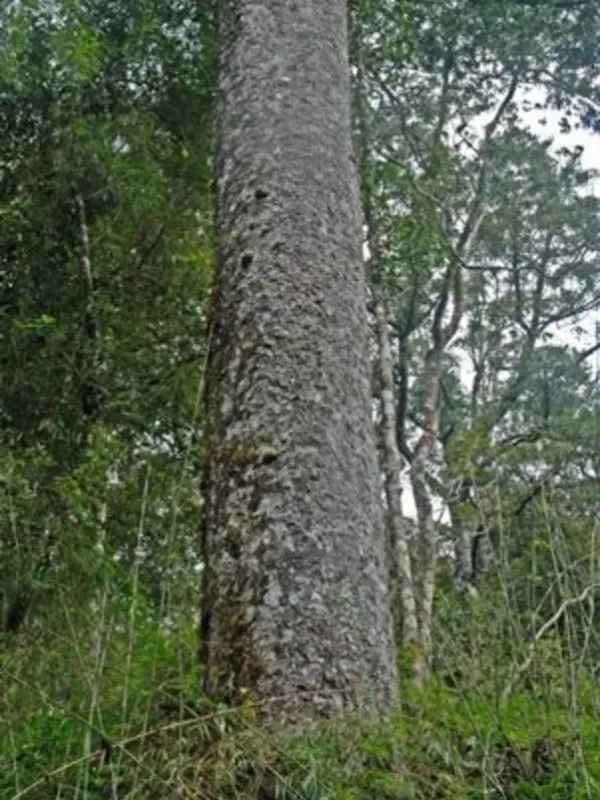
Description
Growing requirements
Agathis lenticula is a majestic evergreen conifer species belonging to the Araucariaceae family. It is recognized for its significant role in the high-altitude tropical forest ecosystems of Borneo.
The species naturally thrives in high-elevation habitats, typically found in areas with consistent moisture and relatively cool temperatures throughout the year.
It requires well-drained, acidic, and nutrient-rich soils to support its growth. Poorly drained or waterlogged environments are detrimental to its health and development.
Cultivation of this species is primarily focused on forest conservation and restoration efforts, as the tree exhibits a relatively slow growth rate compared to conventional crops.
Effective forest management practices for Agathis lenticula prioritize maintaining a balanced microclimate and protecting the integrity of the forest canopy.
Main diseases and pests
The primary threat to the stability of Agathis lenticula populations is the degradation of its natural forest habitat caused by human activities and illegal logging.
Pathogenic fungi can pose a risk to younger trees, especially when grown in nurseries where environmental conditions might not perfectly mimic their natural mountain habitat.
Various xylophagous insects may infest trees that have been weakened by environmental stress, making site monitoring essential for health management.
Climate change poses a long-term risk, potentially altering the temperature and moisture regimes that this specialized conifer species relies upon for survival.
Conservation strategies emphasize habitat protection and the restoration of degraded areas to ensure the long-term viability of this unique botanical species.