
Agathis borneensis
Agathis borneensis
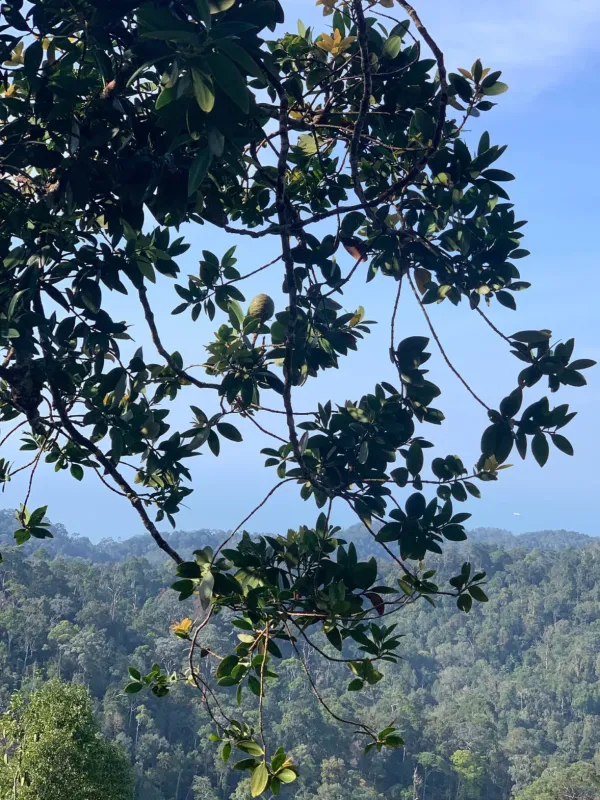
Description
Sowing dates
Agathis borneensis, a member of the Araucariaceae family, is a significant timber species primarily grown in tropical plantations. Propagation is almost exclusively achieved through seeds, which must be collected fresh from mature cones to ensure viability.
Sowing typically takes place in specialized nurseries where moisture levels and light intensity are strictly controlled. The seeds are placed in well-draining, nutrient-rich soil mixtures with a slightly acidic pH, which mimics the natural forest floor conditions.
During the initial stages of development, the seedlings require substantial shade to prevent desiccation. As they grow, the shade is gradually reduced to harden the plants before they are ready for transplanting into the field.
The transplantation phase is critical for the survival of the saplings. They are generally moved to the plantation site when they reach a height of approximately 40 centimeters, ensuring that the root system is well-developed and protected.
Proper spacing is maintained to optimize the growth rate and structural development of the trees, typically resulting in a plantation density that balances competition with individual tree health.
Growing requirements
This species thrives in tropical rainforest climates characterized by high temperatures and consistent rainfall throughout the year. It performs best in regions where temperatures remain between 22°C and 28°C without significant seasonal fluctuations.
High levels of atmospheric humidity and annual precipitation are essential for the physiological processes of the tree. While Agathis can survive minor dry spells, prolonged water stress can significantly hinder its growth potential.
Soil requirements are quite specific; the tree favors deep, well-drained loamy or clay-rich soils. Waterlogged conditions are detrimental and must be avoided to prevent root diseases and stunted growth.
The tree grows naturally from lowland areas up to altitudes of 1500 meters. However, plantations are most productive in lower to mid-altitude regions where the growth cycle is optimized by consistent temperature profiles.
Protection from extreme wind conditions is necessary in exposed areas, as strong winds can cause physical damage to the crown and affect the straightness of the bole, which is essential for timber quality.
Yield
Agathis borneensis is highly valued for its timber, commonly referred to as Kauri. The wood is prized for its uniform texture, workability, and strength, making it ideal for furniture making, cabinetry, and musical instrument components.
The rotation cycle for a commercial plantation generally spans 40 to 60 years. By the end of this period, the trees have reached harvestable maturity, providing high-quality timber that meets international market standards.
Yield metrics are dependent on site management, with well-maintained plantations producing significant volumes of wood per hectare. Sustainable harvesting practices are increasingly adopted to ensure the long-term viability of the plantations.
In addition to timber, the tree produces a valuable resin known as copal. This resin is tapped from the bark and serves as a secondary source of income for plantation owners, used in the production of high-grade varnishes and lacquers.
Modern forestry management strategies integrate timber production with resin harvesting, creating a multi-faceted economic model that supports the conservation of the species within managed landscapes.
Main diseases and pests
The primary biological threats to Agathis plantations are fungal pathogens that thrive in humid tropical environments. These pathogens often attack the root systems, particularly in soils with poor drainage or stagnant water.
Insect pests, including various wood-boring beetles, can cause significant damage to the trunk and bark, reducing the commercial value of the harvested timber. Regular inspection is necessary to mitigate these infestations early.
The loss of natural habitat due to land-use change remains the most significant threat to the species globally. Conservation efforts focus on protecting existing primary forests while developing sustainable plantation models.
Competition from fast-growing invasive weeds and lianas can overwhelm young saplings in the first few years. Regular silvicultural maintenance is required to ensure that the young trees have sufficient light and nutrients.
Effective management includes maintaining clean tool hygiene and quarantine protocols to prevent the spread of diseases and pests within the plantation, ensuring a healthy and productive crop.