
Wollemia nobilis
Wollemia nobilis
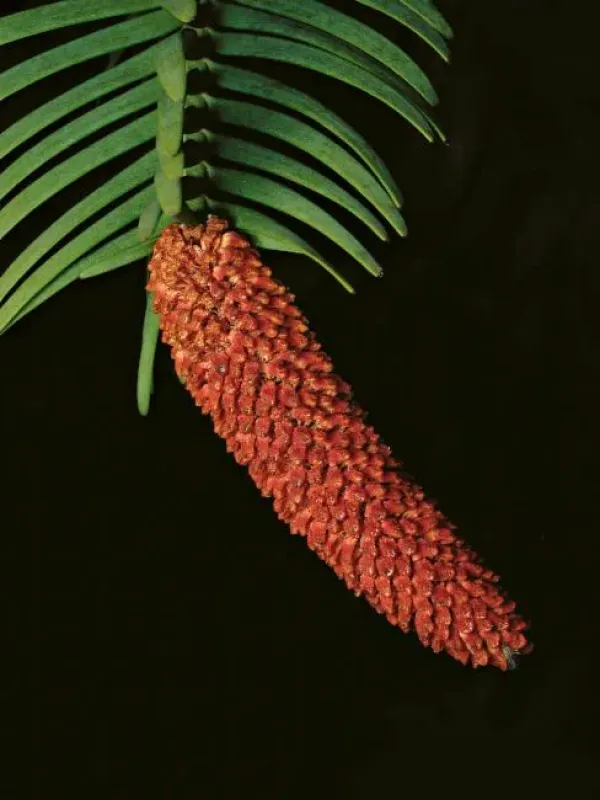
Description
Growing requirements
Wollemia nobilis, commonly known as the Wollemi pine, is a member of the Araucariaceae family. This species is famous for being a botanical relic, surviving unchanged for millions of years before being discovered in a remote Australian wilderness in 1994.
In terms of growing conditions, this culture requires a environment that mimics its natural habitat: high humidity and moderate light. It does not tolerate direct, intense sunlight, especially during the peak of summer, which can scorch the delicate foliage.
The ideal substrate should be acidic, well-draining, and rich in organic matter. Potting mixes specifically formulated for conifers or ferns work best, ensuring that the root zone remains consistently moist but never waterlogged to prevent root stress.
Temperature management is critical for the long-term health of the plant. While mature specimens exhibit some tolerance to cold, the plant thrives in temperate climates, ideally kept between 5°C and 30°C to ensure steady growth throughout the season.
Host-plant usage is primarily focused on conservation programs and premium ornamental landscaping. Due to its unique status as a "living fossil," propagation is strictly regulated, making it a highly sought-after specimen for arboretums and private collectors.
Main diseases and pests
The primary biological threat to this species is the water-borne pathogen Phytophthora cinnamomi. This fungus causes aggressive root rot and has been responsible for significant losses in both wild populations and nurseries.
Insects like mealybugs and scale insects may occasionally infest the dense branches. These pests sap nutrients from the tree and leave behind honeydew, which encourages the growth of sooty mold, negatively impacting the tree's photosynthesis.
Poor air circulation leads to fungal growth on the needles, particularly in greenhouse settings. Ensuring proper spacing and airflow is essential to prevent the development of needle-cast diseases common in enclosed environments.
Environmental stress, such as extreme heat or chemical runoff in the water, can weaken the plant's natural defenses. Once stressed, the tree becomes highly susceptible to secondary attacks from opportunistic pathogens.
Integrated Pest Management (IPM) is the recommended approach for maintenance. This includes the use of selective systemic fungicides, regular manual inspection, and strict sanitation protocols to ensure the plant remains free from pathogens.