
Araucaria hybrids
Araucaria hybrids
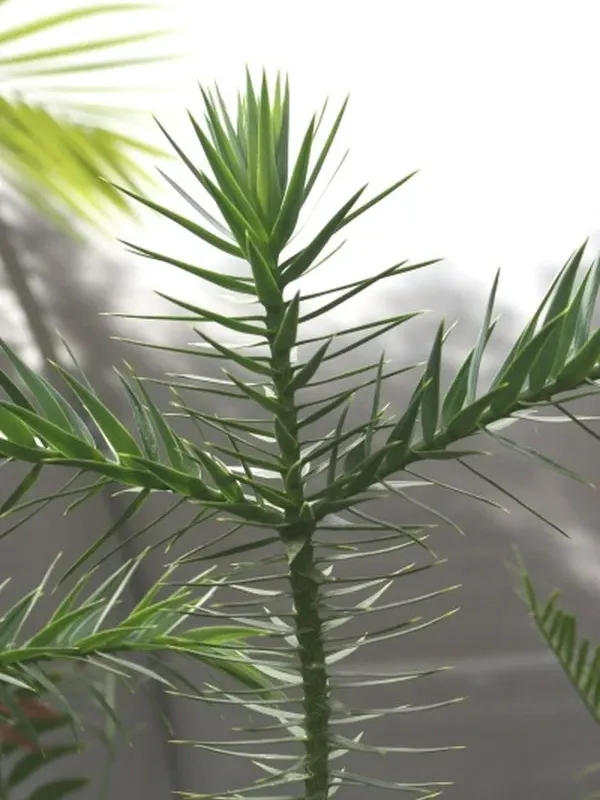
Description
Sowing dates
Propagation of Araucaria hybrids in commercial nurseries is typically achieved through seeds or stem cuttings. Given that seeds lose viability rapidly, they must be sown immediately after harvest into a well-drained, sterile substrate.
The ideal time for sowing is during the spring season when lengthening daylight hours support optimal seedling development. Under controlled greenhouse conditions, seeding can occur throughout the year.
Vegetative propagation involves taking apical cuttings in late summer or early autumn. These require a high-humidity environment and careful temperature regulation to ensure successful root formation.
Seedlings should be repotted or transplanted approximately 12 to 18 months after germination, ensuring that the root ball remains intact during the process to avoid transplant shock.
The application of rooting hormones is highly recommended for cuttings to accelerate the establishment of a robust root system, which is crucial for early growth.
Growing requirements
Araucaria hybrids belong to the Araucariaceae family and thrive in subtropical or mild temperate climates. They are sensitive to frost and require stable temperatures to maintain consistent growth rates.
The soil must be slightly acidic, well-aerated, and rich in organic matter. Efficient drainage is mandatory, as any waterlogging will lead to rapid root decay and plant mortality.
While the plants prefer bright, indirect light, young specimens require partial shading to protect their delicate needles from sunburn. Mature plants are more tolerant of direct sun exposure.
Consistent watering is essential; the soil should remain moist but not saturated. Foliar misting is a highly effective way to maintain the high humidity levels necessary for healthy needle development.
Fertilization should be limited to the active growing season, utilizing specialized fertilizers for conifers to ensure balanced nutrient intake without excessive nitrogen stimulation.
Yield
The primary economic output of Araucaria hybrids is high-quality nursery stock used for landscape architecture, indoor displays, and botanical park development.
In specific forestry applications, the timber of these trees is valued for its uniformity, lightweight nature, and suitability for high-end cabinetry and woodworking projects.
Yield in a commercial setting is measured by the quantity and quality of specimens that meet strict industry standards for shape, density, and height within a given time frame.
Successful nursery operations focus on the production of uniform, symmetrical plants, which command premium prices in both wholesale and retail horticultural markets.
The long-term nature of Araucaria production allows for strategic stock management, where plants gain value as they increase in size and aesthetic complexity over years.
Main diseases and pests
Mealybugs and scale insects represent the most significant pests for this crop, often clustering in needle axils and sapping the plant's vitality while promoting sooty mold.
Root rot, primarily caused by Phytophthora species, is a common ailment resulting from poor drainage or overwatering, often requiring immediate soil treatment.
Environmental stress, particularly low humidity, frequently causes needles to yellow and drop prematurely, severely impacting the commercial aesthetic value of the specimen.
Aphids may occasionally infest young, tender growth during the spring, causing deformations that require targeted systemic insecticide applications to manage.
Integrated Pest Management (IPM) practices, including regular inspection and sanitation, are vital to maintaining healthy plants and reducing the reliance on chemical controls.