
Araucaria subulata
Araucaria subulata
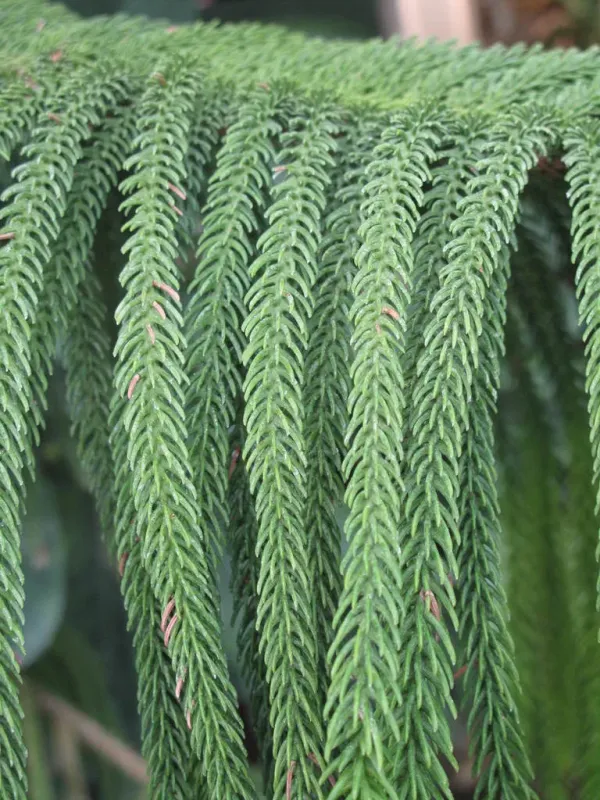
Description
Growing requirements
Araucaria subulata is a species of conifer in the family Araucariaceae. This species is endemic to New Caledonia, where it grows in high-altitude tropical forests, making it a rare and highly specialized plant in terms of its ecological niche.
The cultivation of this plant requires a stable tropical climate. It thrives in environments with high humidity and moderate temperatures, typically between 18°C and 25°C. It is intolerant to frost and extreme heat, which can damage its delicate needles.
Soil requirements for Araucaria subulata include a well-draining, acidic to slightly acidic medium. It is essential to provide a substrate rich in organic matter while ensuring that no water accumulation occurs at the base of the plant to prevent root distress.
Regarding light, the species prefers bright, diffused light. Direct exposure to intense sunlight, especially for juvenile plants, should be avoided to prevent needle scorching. Regular misting helps maintain the necessary moisture levels in the canopy.
In terms of usage, Araucaria subulata is primarily kept in botanical gardens and conservatories for conservation and scientific display. Due to its status as a sensitive species, it is not used in mass production but remains a specimen of high botanical interest.
Main diseases and pests
The primary threats to Araucaria subulata involve fungal infections, which are often exacerbated by high humidity combined with poor air circulation or over-saturation of the soil.
Common pests include scale insects and mealybugs, which feed on the sap of the needles. If left untreated, these infestations can significantly weaken the tree, necessitating the use of specialized systemic insecticides.
Nutrient deficiencies, particularly chlorosis caused by a lack of available iron or magnesium, are common. Proper soil analysis and the application of balanced micro-element fertilizers are essential for maintaining vibrant, green foliage.
Root rot is a critical threat often resulting from poor drainage management. Remediation involves repotting the plant into sterile, porous soil and treating the root system with appropriate fungicides to stop the spread of decay.
Spider mites can also be problematic in low-humidity environments. Maintaining a consistent watering and misting regimen serves as a primary preventative measure against these harmful arachnids.