
Bunya Pine
Araucaria bidwillii
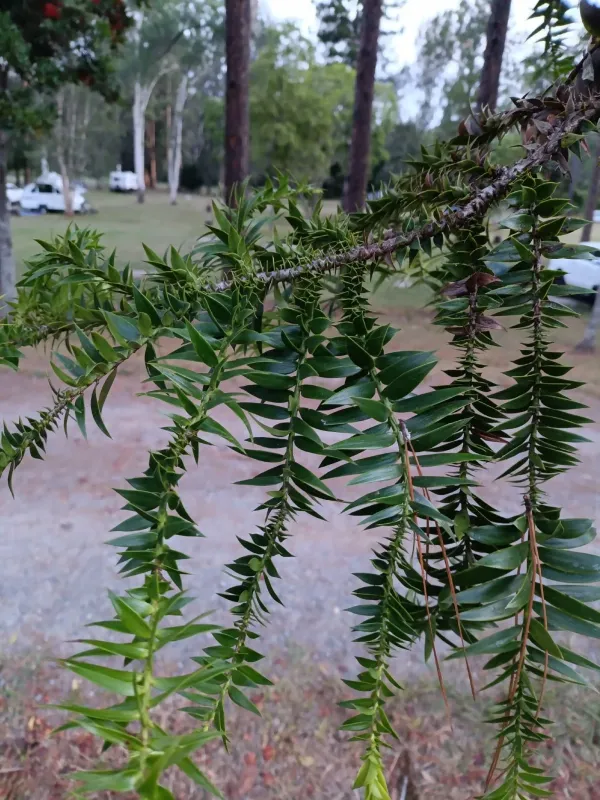
Description
Sowing dates
Propagating the Bunya Pine is primarily achieved through seeds, as cuttings are notoriously difficult to root and rarely succeed in standard nursery conditions.
The seeds lose viability very quickly, necessitating immediate planting after harvest to ensure a high germination rate and strong seedling vigor.
A well-draining, peat-based growing medium is essential to prevent moisture-related rot during the extended germination period of the species.
Maintaining a consistent temperature between 20°C and 25°C is crucial, as the seeds require warmth to emerge from their dormancy effectively.
Patience is required, as the germination process is often sporadic and can take several months before the first true needles begin to appear.
Growing requirements
The Bunya Pine, a member of the Araucariaceae family, is native to the subtropical rainforests of Queensland, Australia, where it thrives in humid conditions.
It demands deep, fertile, and well-draining soils with a slightly acidic profile to maintain healthy root development and overall plant vitality.
While mature trees can handle mild frosts, young specimens are highly sensitive to cold temperatures and require sheltered locations during their early years.
The tree prefers bright, filtered light in its juvenile stage but can tolerate full sun once it has established a robust root system and mature bark.
Proper spacing is a vital management consideration, as this species develops a massive, spreading canopy that requires significant room to grow.
Yield
In ornamental and forestry contexts, the Bunya Pine is valued for its majestic stature and the high-quality wood produced by mature specimens.
Growth is relatively slow, but the tree provides a substantial yield of large, edible seeds which are highly nutritious and culturally significant.
The timber is straight-grained and strong, making it suitable for high-end cabinetry, although its use is restricted due to long rotation cycles.
Biomass production is significant over time, and the tree is often integrated into large botanical projects for its unique aesthetic and structural presence.
While not a primary commercial timber crop, its historical use as a food source remains a key aspect of its agricultural value in its native range.
Main diseases and pests
Root rot caused by Phytophthora species is the most severe threat, often triggered by waterlogged soil conditions and poor site selection.
Scale insects and mealybugs are common pests that colonize the needles and branches, leading to sap depletion and weakened tree vigor.
Spider mites are prevalent in environments with low humidity, causing visible needle discoloration and premature needle drop if left unchecked.
Nutritional deficiencies often manifest as needle chlorosis, requiring a balanced application of slow-release fertilizers tailored for conifers.
Effective pest management relies on maintaining high ambient humidity and ensuring adequate air circulation to prevent fungal outbreaks and insect infestations.