
Araucaria columnaris
Araucaria columnaris
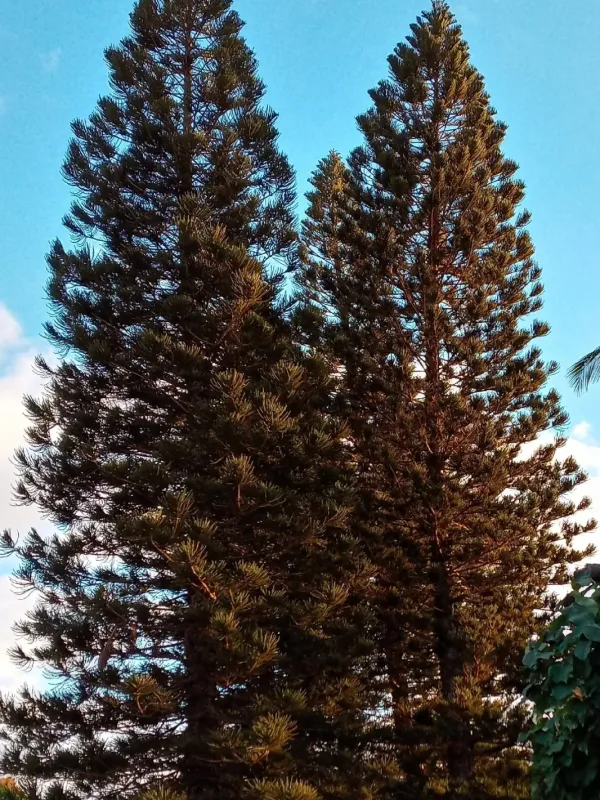
Description
Growing requirements
Araucaria columnaris, known commonly as the Cook pine, is an evergreen conifer belonging to the Araucariaceae family. This species is native to the islands of New Caledonia and is world-renowned for its distinct columnar growth habit and symmetrical branching.
In terms of environmental requirements, this plant thrives in tropical and subtropical climates where humidity is high and temperatures remain consistently above freezing. It is not cold-hardy and requires protected environments in temperate zones.
The soil needs to be well-draining yet fertile, as the root system is highly sensitive to waterlogging. Standard potting mixes for conifers or slightly acidic, loamy garden soil are typically recommended for optimal growth and nutrient uptake.
Cultivation practices involve regular but controlled watering and providing bright, indirect sunlight. For indoor or greenhouse cultivation, good ventilation is essential to mimic the maritime breeze of its natural habitat, which helps in preventing fungal issues.
Host use of this culture includes ornamental landscaping in warmer regions and small-scale timber production in its native range. The wood is valued for its uniformity and ease of working, making it suitable for furniture and construction materials.
Main diseases and pests
The primary pests affecting Araucaria columnaris include scale insects and mealybugs, which tend to congregate in the branch axils. These pests weaken the tree by extracting sap and producing honeydew, which promotes secondary mold growth.
Spider mites are another major concern, especially in dry, indoor environments where humidity is insufficient. Infestations lead to the browning and eventual shedding of the needles, significantly impacting the aesthetic value of the tree.
Fungal diseases related to root health, such as Phytophthora root rot, pose a severe threat. These pathogens are typically triggered by overwatering and poor drainage, leading to the rapid decline of the root system and foliage yellowing.
Management of these threats involves careful monitoring of the foliage and implementing strict watering schedules. If an infestation occurs, horticultural oils or systemic insecticides may be necessary to restore the health of the plant.
Cultural control, such as maintaining proper spacing and adequate air circulation, is the first line of defense. By ensuring the plant is not under stress, growers can naturally improve its resistance to common pests and diseases.