
Speirantha
Speirantha
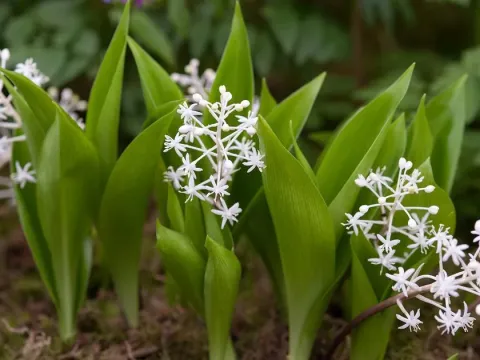
Speirantha is a genus of perennial herbaceous plants belonging to the Asparagaceae family. This monotypic genus is native to the forest floors of China, where it thrives in shaded and moist environments. It is highly valued in horticulture for its ability to act as a lush, evergreen ground cover.
What the section contains

Speirantha
The plant features a basal rosette of broad, lanceolate, deep green leaves that maintain their aesthetic appeal throughout the growing season. In the spring, delicate, white, star-shaped flowers appear on slender stalks, often compared to lilies of the valley, providing a subtle fragrance and elegance to shaded garden corners.
Cultivation requires specific conditions: Speirantha prefers partial to full shade. Direct sunlight can scorch the leaves and stunt growth. It flourishes in rich, humus-filled soil that retains moisture but has sufficient drainage to prevent root rot, which is crucial for the long-term health of the root system.
When preparing the site, it is recommended to incorporate organic matter such as compost or leaf mold into the soil. This mimics the plant's natural woodland habitat and provides the necessary nutrients for vigorous rhizome expansion, allowing the plant to spread gradually across the ground.
Temperature management is important for cold-climate gardeners. While moderately hardy, the plant benefits from a layer of mulch in colder regions to protect the roots from freezing temperatures. In milder climates, it remains green year-round, serving as a constant feature in landscape design.
Speirantha is generally considered a robust plant with few serious health issues. However, poor drainage remains the most significant threat to its survival. Waterlogged soil creates an environment conducive to fungal pathogens that target the rhizomes, leading to rot and sudden plant death.
Slugs and snails are the most common pests affecting the foliage. These gastropods feed on the leaves during wet and humid periods, leaving behind unsightly holes. Regular monitoring is necessary to prevent significant aesthetic damage to the rosettes, especially during the active growth phase.
To minimize damage, gardeners can use environmentally friendly deterrents like copper tape around flower beds or biological control methods to manage mollusk populations. Keeping the area around the plants clear of debris also helps reduce the number of hiding spots for these pests.
Good cultural practices, such as proper spacing during planting, ensure that air circulates freely around the leaves. This reduces the humidity levels directly at the plant level, making it less attractive to slugs and less prone to fungal infections.
Should any disease occur, affected parts should be removed promptly to prevent the spread to neighboring plants. Maintaining consistent moisture levels without allowing the ground to become saturated is the key to preventing the majority of potential threats to Speirantha.